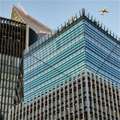
At Sedrow Fire Engineering we work across all sectors. We work on new-builds, refurbishments and conversions, as well as due diligence for sale or acquisition.
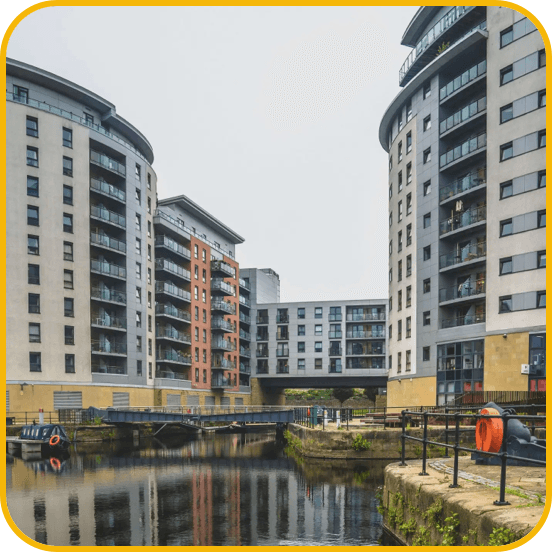 ResidentialResidential buildings pose some of the highest fire risks for building occupants, making careful fire strategy design essential. Following the Grenfell tragedy, fire safety regulations have evolved significantly, and compliance is more critical than ever. |
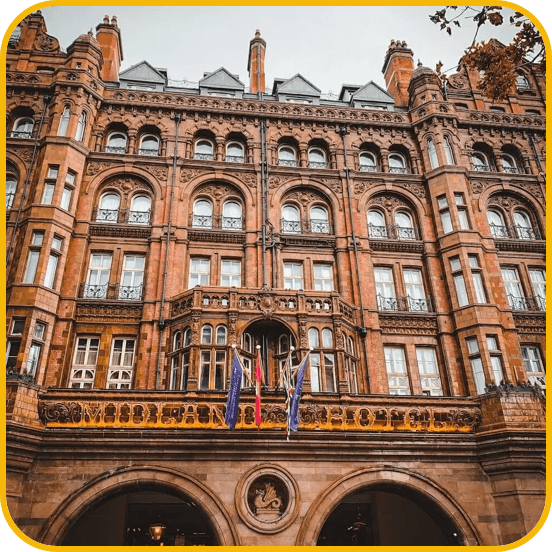 HotelsHotels present unique fire engineering challenges. Guests are often asleep and unfamiliar with their surroundings, factors which delay evacuation. Hotel fire strategies need to ensure that the evacuation time is minimised, and that the development and spread of fire is adequately restricted. |
 EducationEducation buildings are diverse in use, design, and occupancy, requiring tailored fire strategies. Schools, colleges, and universities often have large numbers of occupants who rely on clear escape routes, accessible evacuation facilities, and effective building management. |
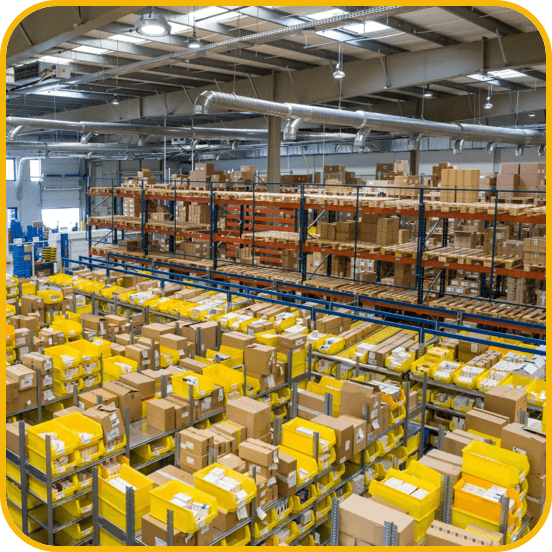 Industrial and WarehouseIndustrial and warehouse buildings are often large in footprint and volume; they can contain hazardous processes and materials and have complex layouts. This can prevent compliance with basic fire strategy guidance. |
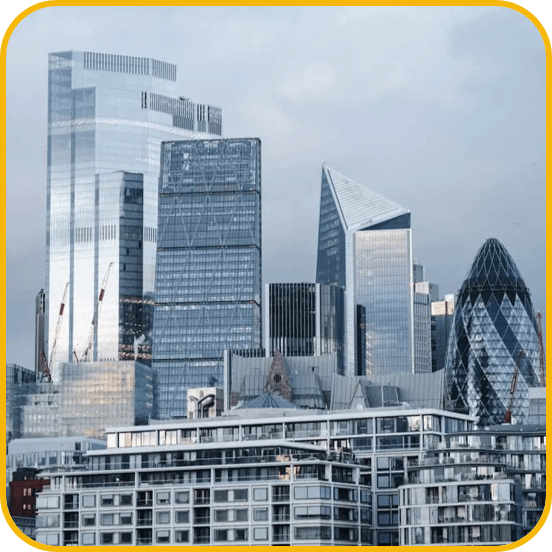 OfficesModern office buildings are increasingly based around collaboration, with open-plan workspaces, break-out areas, and atria connecting floors. This open design allows the rapid transfer of smoke around the building and introduces challenges for the fire strategy. |
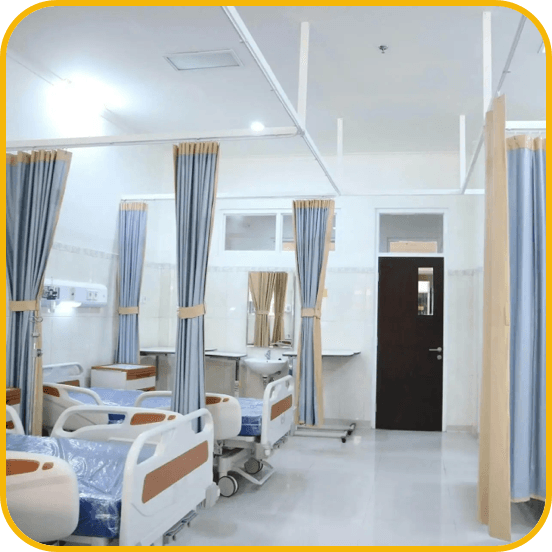 Hospitals and HealthcareHealthcare buildings can vary from very large and complex hospitals to more simple walk-in clinics. The greatest challenges exist where patients are incapacitated or otherwise dependant or vulnerable, and standard methods of evacuation are impossible and potentially life-threatening. |
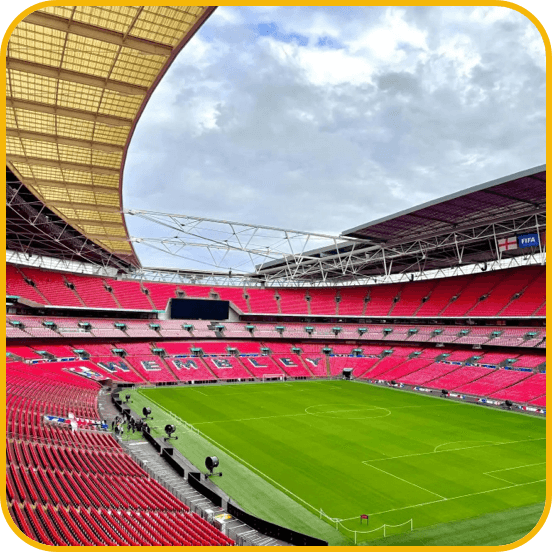 Sports and EntertainmentSports and entertainment venues have large numbers of occupants, densely packed, who are often unfamiliar with their surroundings. Large volumes of people evacuating a space simultaneously introduces challenges in the means of escape design and the risk of crowd crush incidents. |
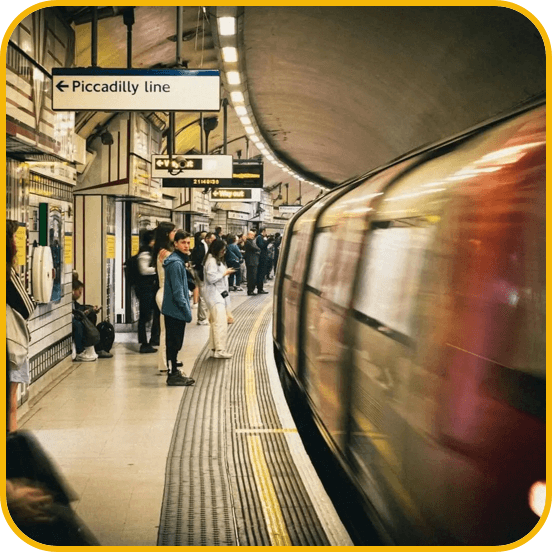 TransportThe transport sector extends across sea, air, rail, and road travel. Projects can include airports, railway stations, tunnels, bridges, bus stations, depots, ports and much more. Fire strategy development for these environments is inherently complex, requiring consideration of unique fire loads, varied fire scenarios, and dynamic occupant behaviour. |
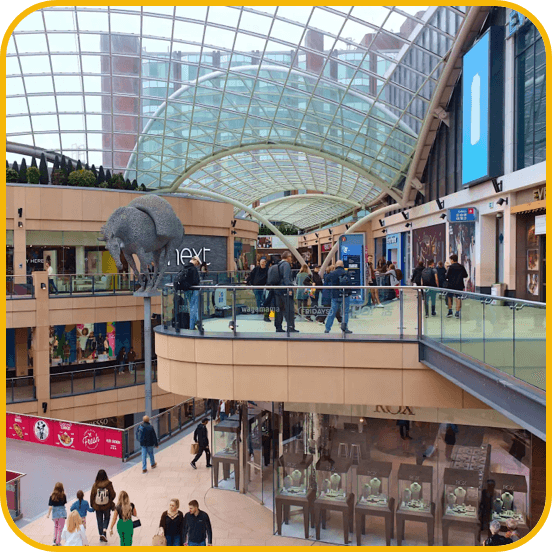 Shopping CentresShopping centres can have thousands of occupants spread across huge numbers of shops, cafes and entertainment venues, all within one single massive, multi-storey building with atria throughout. Key elements such as mall and unit smoke control systems, fire alarm design and cause-and-effect programming must work seamlessly together to ensure occupant safety. |
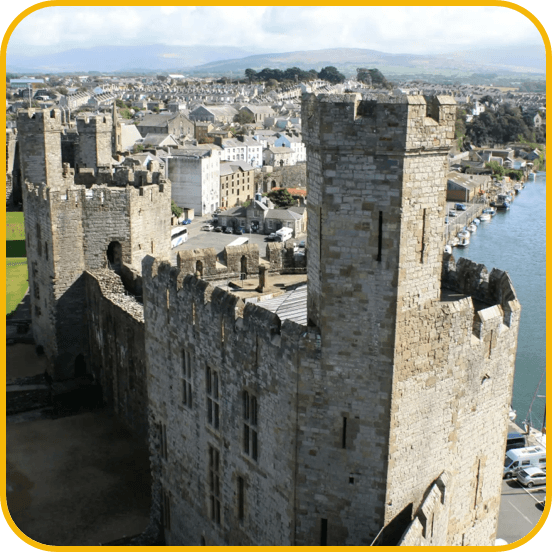 Historic BuildingsWorking on historic and listed buildings presents the challenge of combining fire safety with the preservation of heritage. Fire engineering solutions must be developed to allow minimal intervention in the building’s fabric while ensuring a good standard of safety for occupants. |
 Retail and LeisureThere is a huge variety in the use of retail and leisure buildings. Each type of use needs its own assessment to fully understand the fire risks, occupant behaviour and design limitations. Consideration must be given to rapidity of fire spread, and the time taken to evacuate. |
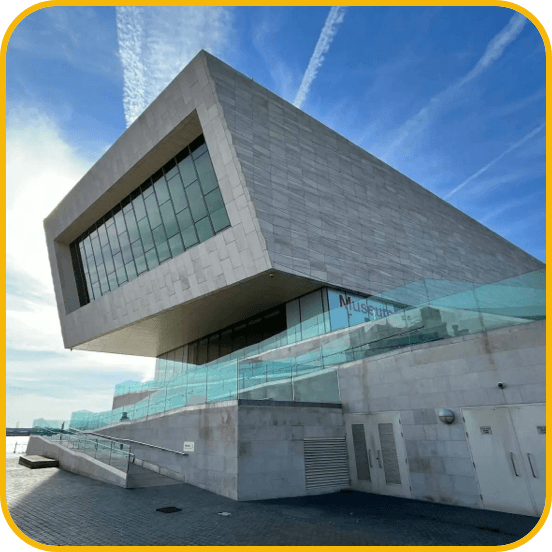 Civic, Government and Religious BuildingsCivic, government, and religious buildings pose distinct fire engineering challenges due to their architectural complexity, public accessibility, heritage significance, or, in cases such as prisons, security requirements. Regulatory compliance can involve multiple authorities. |