
Background
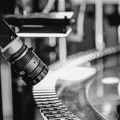
High-value production lines depended on complex, high-speed pick-and-place systems. Within those systems, pneumatic failures could stop production without warning. Maintenance was largely reactive, and a single incident could lead to as much as 36 hours of downtime.
Challenge
The pneumatic network contained hundreds of potential failure points, and the fault could not be isolated while the line was running.
Solution
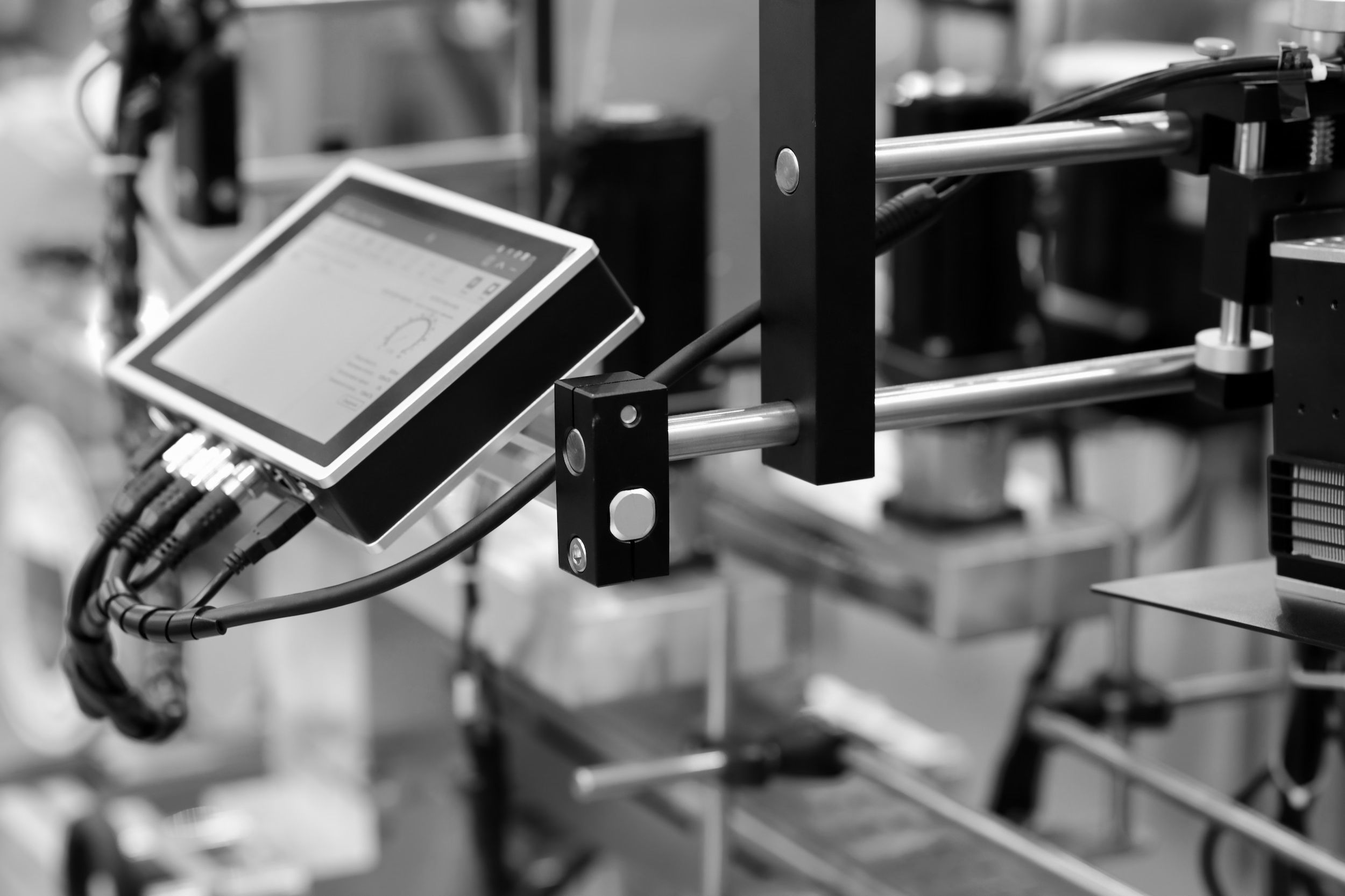
PurpleSector introduced continuous monitoring using acoustic and laser sensing, giving real-time visibility into system behaviour. These technologies captured evidence that conventional checks could not. Advanced analytics interpreted the signals, highlighted emerging issues before they escalated, and enabled engineers to locate a failed component without stopping the line or stripping down the whole system.
Results
Maintenance moved from unplanned intervention to a predictable, planned approach, saving the client more than £12 million a year. System rectification time fell from 36 hours to 3, and full system removal was avoided in most cases. The reduction in disruption delivered immediate and sustained improvements in Overall Equipment Effectiveness.
Background
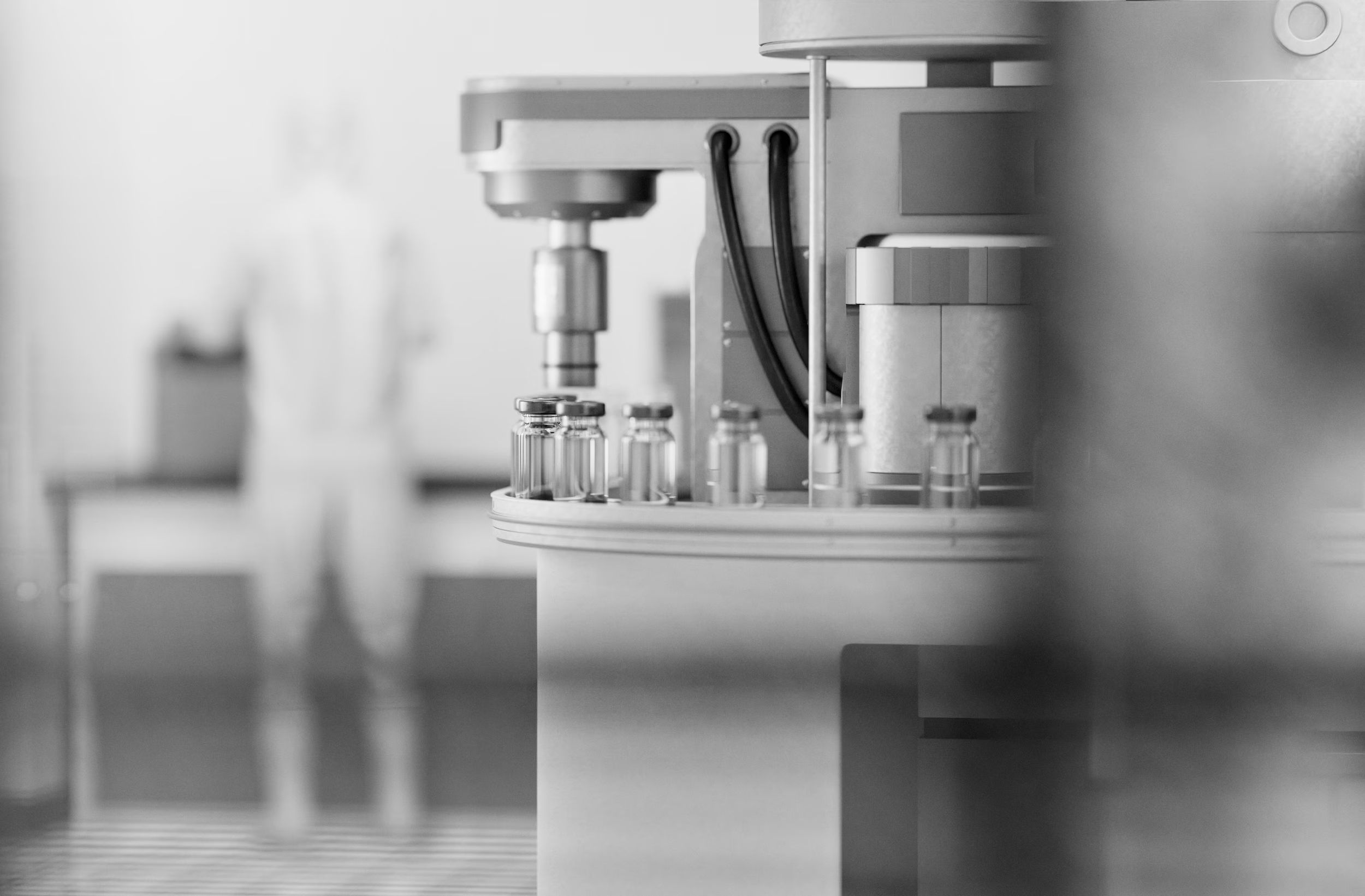
A high-value product was being manufactured at a rate of 600 units per minute. Line stoppages were becoming more frequent and were damaging product, with the annual cost impact estimated at nearly £6 million.
Challenge
At full production speed the failure could not be seen by the human eye or captured through conventional measurement techniques.
Solution
PurpleSector deployed a race-derived vision and vibration system, to monitor the line at the critical points where the failure was likely to occur. Recordings were triggered by events rather than running continuously, concentrating the analysis on the moments that mattered instead of hours of uneventful footage. AI filtration then distinguished normal machine behaviour from non-normal events, revealing the failure mechanism that conventional monitoring had missed.
Results
PurpleSector's Digitally Observed Insights reduced downtime and increased revenue by more than £3 million per annum. The failure was recorded during the first production shift, allowing the root cause to be identified and rectified. The intervention delivered a 40% reduction in product wastage and returned the line to stable, predictable operation.
Background
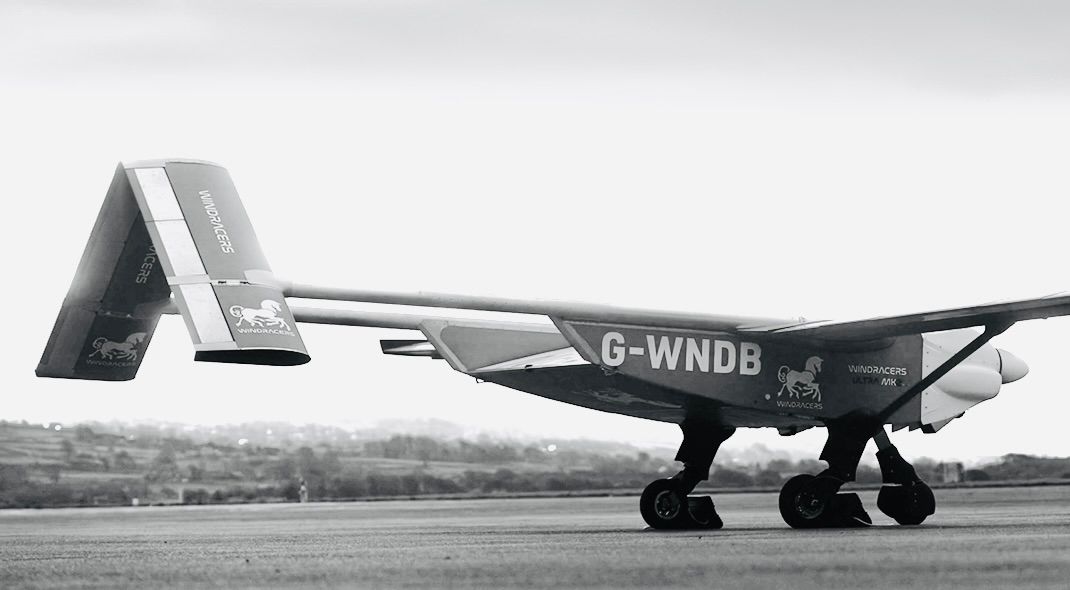
Windracers ULTRA is the world’s most accomplished dual-use heavy-lift drone. With a payload of more than 150kg, and a range up to 2,000 km, ULTRA provides essential support to remote locations and disaster zones that only aircraft can reach. Examples include reconnaissance and resupply in Ukraine, geological and wildlife surveying in Antarctica, parcel delivery off the coasts of Scotland and England, and wildfire response missions.
Challenge
Windracers needed to scale up production, improve processes and meet customer requirements in response to growing customer demand for ULTRA MK1.
Solution
Windracers partnered with PurpleSector to enhance and develop processes for critical delivery functions. This work spanned design, global supply chain management, manufacturing and project leadership. Strengthening them together, rather than in isolation, allowed Windracers to increase capacity without compromising quality or lead times.
Results
Windracers ULTRA MK1 build time reduced dramatically, enabling them to meet customer needs on time. PurpleSector’s assistance was a key step in the development of Windracers manufacturing processes, enabling the company to better meet future demand for ULTRA MK1. Engineered and manufactured in the UK, Windracers ULTRA has operated in Antarctica, Africa, North America, the UK and Ukraine.
Background
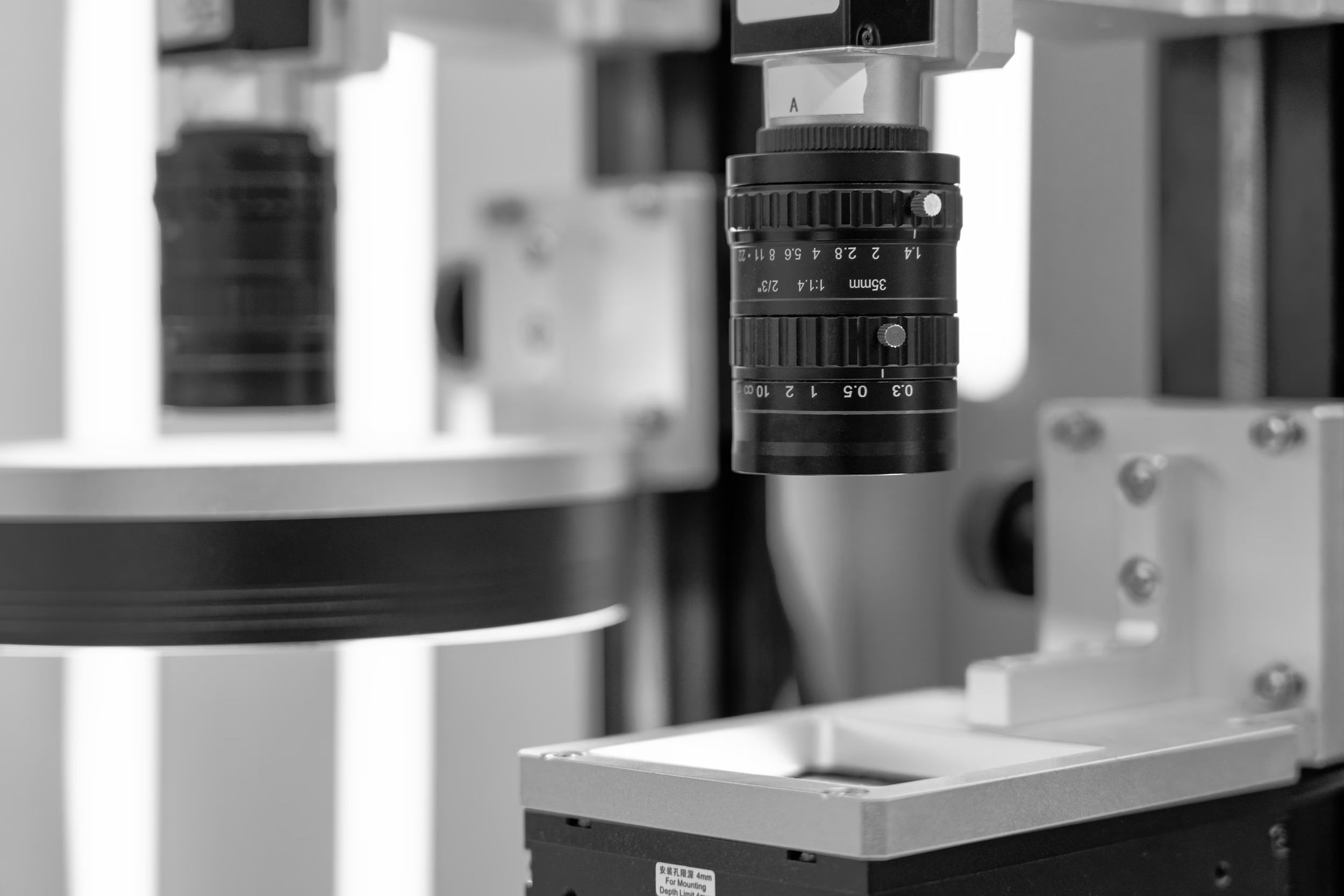
A high-throughput manufacturing line was operating at more than 200 products per minute, but downtime was being triggered roughly every 15 minutes. The frequency of disruption created significant Overall Equipment Effectiveness losses and a major cost burden.
Challenge
The failures occurred too quickly and too randomly for operators to observe or diagnose.
Solution
PurpleSector deployed an automated high-speed vision system that captured 4,000 events in the first 24 hours. Machine-learning analysis then mapped the correlations between operating conditions and different failure modes. A digital twin of the process was used to simulate corrective actions and validate the most effective interventions before any change was applied to the live line.
Results
The programme delivered a 7:1 return on investment in a high-throughput production environment. Supply variation and equipment synchronisation were identified as the root causes, and corrective measures were embedded to prevent recurrence. More importantly, a pattern of apparently random failures was converted into a predictable and controllable operating condition.
Background
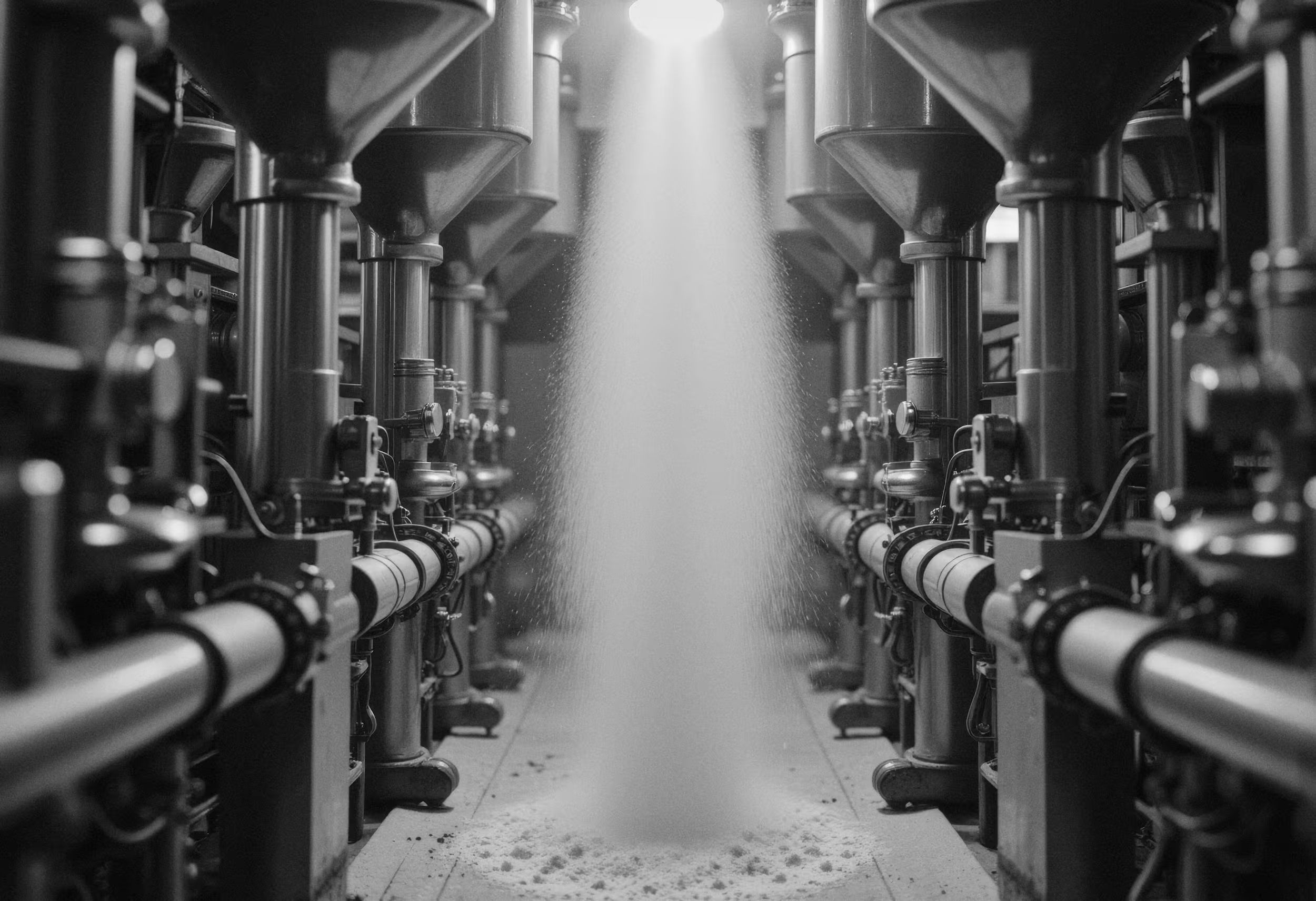
High-volume FMCG production runs on fine margins. Yield, quality and energy use are governed by a set of interacting variables that must be held in balance across long, continuous runs - and those conditions rarely stay still. Small drifts compound into lost product and wasted energy, often without ever announcing themselves.
Challenge
This process combined significant energy demand with operating conditions that changed faster than the controls could respond. Left uncorrected, that variability worked its way through the line as inconsistent product quality, hidden inefficiency and material waste - with the cost absorbed quietly into the cost of production. The installed control systems could not adapt quickly enough to changing boundary conditions. As the process drifted, product required rework or was lost. Operators did not have the real-time visibility needed to identify the source of variation, yet optimisation had to happen continuously and at line speed.
Solution
PurpleSector deployed a race-derived vision and vibration system, to monitor the line at the critical points where the failure was likely to occur. Recordings were triggered by events rather than running continuously, concentrating the analysis on the moments that mattered. AI filtration was then used to distinguish normal behaviour from non-normal events and reveal the failure mechanism.
Results
The intervention converted an unstable and variable process into predictable, controllable performance. Product throughput increased by 38% and energy consumption fell by 15%, improving both production capacity and operating efficiency.
Background
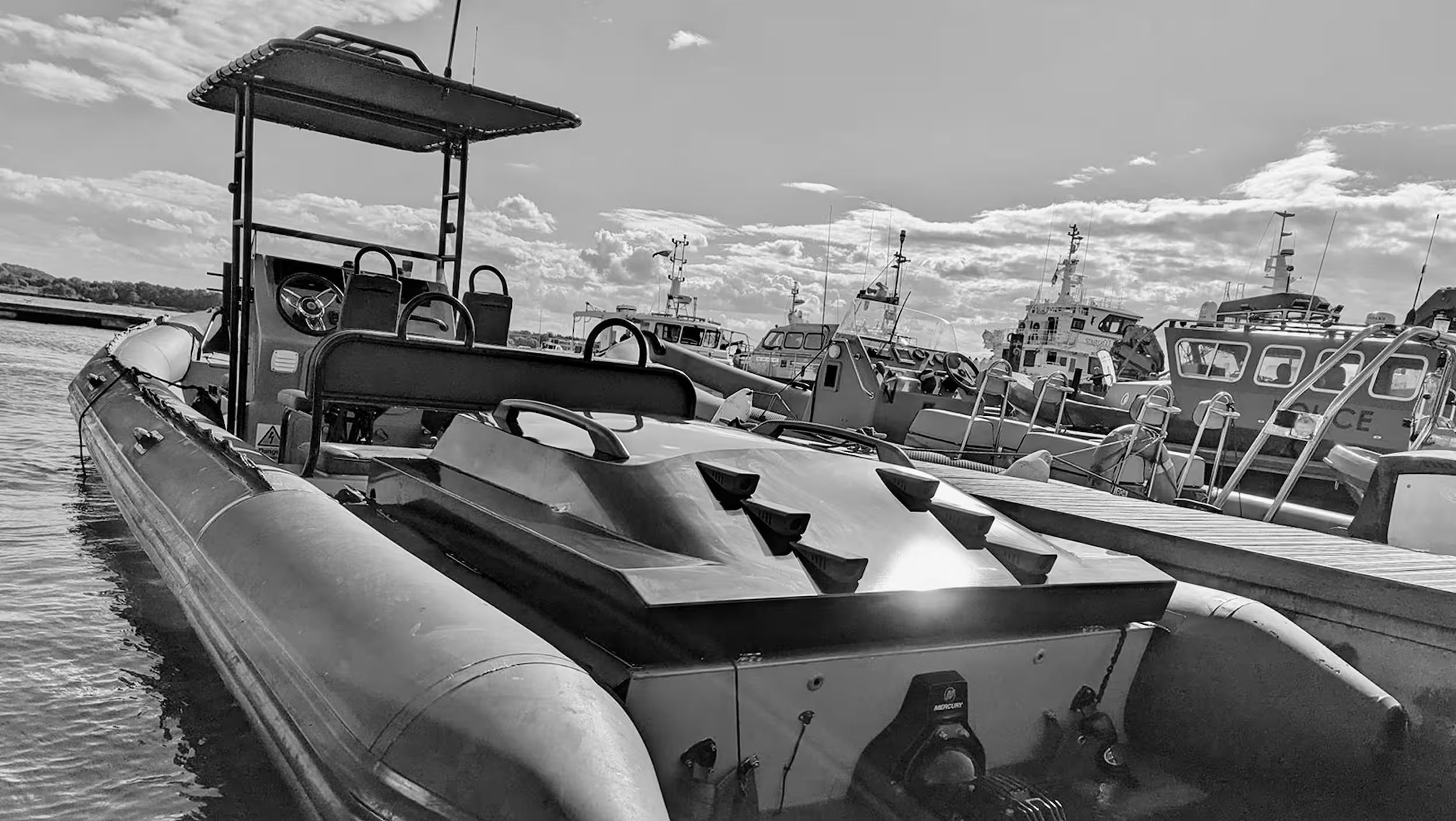
Typical marine powertrains use fossil fuels and simple, well-understood combustion engines. Engineering and delivering a cleaner, greener powertrain is significantly more complex: the process is currently slow, risky and prohibitively expensive. And yet, with the Government’s ‘Net Zero by 2050’ target, marine operators are under growing pressure to implement more sustainable solutions.
Challenge
To deliver a viable prototype for a clean powertrain and demonstration vessel, a multi-faceted project which included:
Solution
PurpleSector applied Formula 1™ techniques and a digital-first design process to accelerate engineering, procurement, and manufacturing. The team leveraged their motorsport supply chain to rapidly source parts and - when parts weren’t available - designed, manufactured, and tested bespoke solutions. These included: full powertrain transmission, cooling systems, control and interface systems, electrical systems, vessel structure, calibrations, and fuelling.
Results
In less than seven months, two clean-fuelled hybrid-electric powertrains and a demonstration vessel were ready for on-water testing. The typical industry standard for engineering a powertrain is approximately five years.
Background
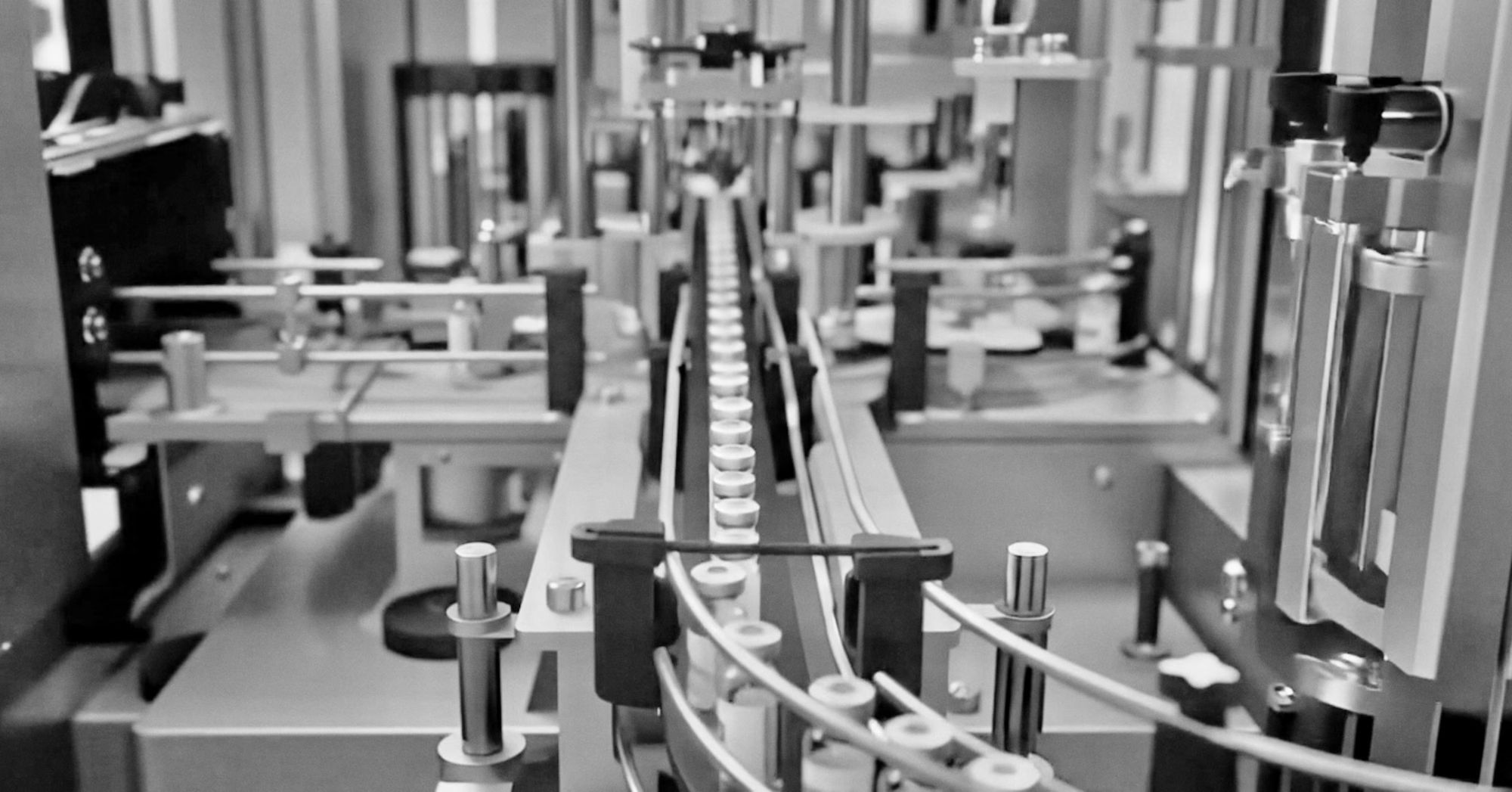
A high-throughput production line was experiencing intermittent defects, and every hour of disruption carried a significant commercial impact. The fault appeared only at full operating speed and could not be recreated in an offline test environment.
Challenge
Line speed prevented operators from seeing the fault as it occurred.
Solution
PurpleSector deployed F1™-derived high-speed vision sensors at critical locations on the line. The sensors recorded detailed, time-synchronised footage while the process ran at full speed. A bespoke performance-analysis algorithm then correlated the sequence of events with the observed outcome, allowing the failure mechanism to be isolated.
Results
The root cause was identified and resolved within one hour. Defects were eliminated at full production speed, waste was reduced to zero, and the line returned to stable, predictable operation the same day.