

Added: Over a year ago by Buro Happold
We should always be mindful of how to be a better ally to the LGBTQ+ community in the workplace, but exactly how to do so is a question that is often raised during Pride season. Here, we look at what being an ally means – and why it remains of critical importance every day.
An LGBTQ+ ally is someone who supports equal civil rights, gender equality and LGBTQ+ social movements, while not necessarily being part of the LGBTQ+ community. To be an ally is to support the improvement of the lives of lesbian, gay, bi and trans people across the world, treating everyone with dignity and respect.
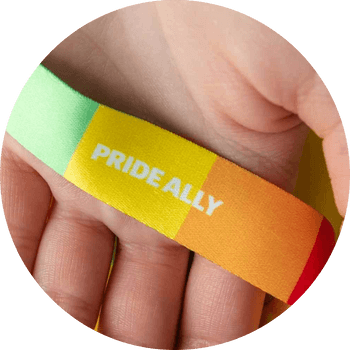
Creating an inclusive environment where everyone can be themselves is part of the building blocks of Buro Happold. Sadly, the Stonewall 2028 LGBTQ in Britain – Work Report found more than a third of LGBTQ+ staff (35%) have hidden that they are LGBTQ+ at work for fear of discrimination. This demonstrates the continued importance of allies in the workplace – and it is as important now as it has ever been.
Allyship and understanding the lived experience of LGBTQ+ people remains important because of many reasons, not least the lack of safety they experience. Negative impacts on education, family, health and human rights continue to be documented. Creating a space at work where everyone is safe and valued is critical.
Expecting respect and equal treatment when working within the built environment seems like a fair assumption everyone should be able to make when beginning a career in the industry. Success for everyone requires transparency and openness, and employers increasingly understand that. The built environment must continue to grow into one that understands and harnesses the importance of LGBTQ+ inclusion.
Vicky Thorburn is head of people data and insights at Buro Happold. She is co-chair of Spectrum, the group within Buro Happold that champions the needs of LGBTQ+ employees and raising awareness of issues that face them, and on the executive team for Building Equality, an alliance in the UK across construction consultants, engineers, developers and contractors to drive LGBTQ+ inclusion.
She said, “We have definitely seen positive shifts in our industry, especially on the consulting side. However, it is important to frame any problems as a wider societal issue. Now, more than ever, we must all continue to be allies to LGBTQ+ people.”
Lucy Miller, global head of inclusion, diversity and engagement at Buro Happold, agrees that these conversations are as important now as ever. She said, “The industry is a microcosm of society, where we are seeing some fractured conversations right now. As a business, we put our line in the sand many years ago, when we put equity above all else.”
People perform better when they can be themselves at work. This includes LGBTQ+ people who in the past might have had to hide who they were. Research shows the negative results of those who mask who they are, including in the workplace.
Lucy added, “At Buro Happold we use equity to refer to how we create equal opportunities for everyone, based on individual needs. If we don’t know these needs, and therefore the differences that we have from one person to the next, we won’t be able to meet them. So, it is vital that we create an environment where people don’t feel they have to mask their identity.”
We spend huge amounts of time at work. Being treated equitably, and to work in a supportive atmosphere, is a fair expectation – but is it always the case? Creating a truly equitable and inclusive workplace requires efforts from allies to the LGBTQ+ community. What actions can allies take?
A key action is to encourage and uplift the voices of those within the LGBTQ+ community. While we should not talk on behalf of someone, using the power you do have to allow others to speak is important. Vicky Thorburn said, “We can all work within our own sphere of influence to facilitate positive change. It is about using the opportunities you have to uplift the voices of LGBTQ+ people – or of any marginalised group. Be a role model when you have an opportunity to be one and speak up against micro-aggressions without speaking over or on behalf of someone.
“It doesn’t have to be a big deal; it can be a small action. Perhaps sharing an interesting relevant article on LinkedIn or making a correction when someone is misgendered, even if they aren’t in the room or call. It is simply about using whatever platform you have to uplift others’ voices. Sometimes people may feel like being an ally is about wearing your allyship on your sleeve, but to me it is just about treating everyone with respect.”
Lucy explained how forming relationships and learning from each other can be a form of allyship. She said, “Spending time with people who are not like you is one of the easiest ways to understand other people and learn about a world you are not used to living in.
“We love story telling at Buro Happold, it’s a very human way of learning about each other. Understanding each other and the kind of difficulties that each other may face, puts us in an informed position, helping us to learn not to make assumptions and importantly how we can support others.”
In the workplace, with its inherent power dynamics, being a role model when you are able is critical. Lucy added, “I would encourage people to learn about how to role model inclusive behaviours in everyday workplace interactions like making sure that everyone in a meeting has been invited to the table and is able to play a role. It is about making that space to let everyone speak. Speaking on behalf of someone isn’t being an ally – but creating space to allow them to be heard is.”
Heather Blanton is global IT operations manager at Buro Happold. When considering ways to improve allyship in the workplace, she said, “I think the best way to be an ally at work is to be yourself and treat everyone as equal. It should not make any difference to your working relationship with someone, no matter what their gender or sexual orientation is.
“Unfortunately, we still live in a world where LGBTQ+ are treated as ‘other’ and in some instances openly persecuted even in places where they are supposed to feel safe. It’s important to be an ally and be as outspoken as you can be to show your support.”
“It always helps to be open to new people and experiences and to be as kind as possible to everyone in your working environment. It’s also a good shout to get involved in any organisations and groups at work, including any LGBTQ+ groups to show your support.”
We should also be mindful of intersectionality, and other factors that may affect the wellbeing of those in the LGBTQ+ community. Pride continues to be an important movement for a wide range of people who are working for equality and against discrimination or prejudice.