
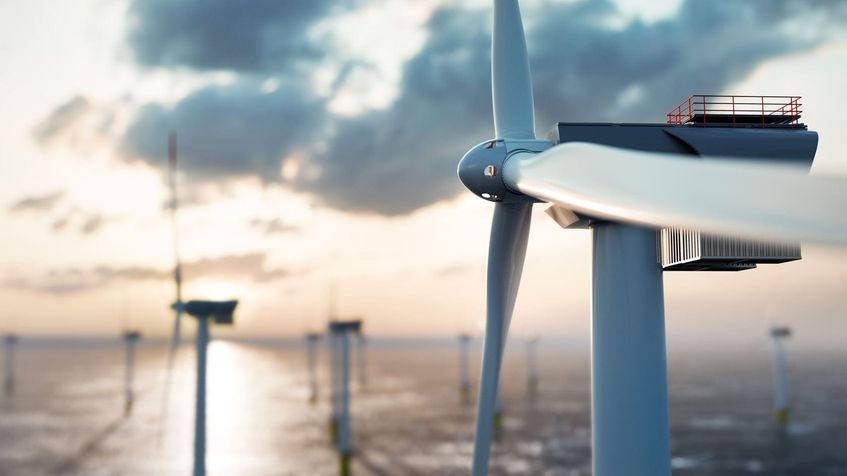
The UK aims to deploy 5GW of floating offshore wind (FLOW) capacity by 2030, but current port infrastructure and supply chains are not equipped to support this scale. Haskoning, as part of the FLOW Task Force for RenewableUK, developed a roadmap to identify the technologies, infrastructure, and investments needed to meet these ambitions.
The assessment revealed that no UK port currently has the capacity to handle industrial-scale floating wind operations, requiring major upgrades in access channels, landside space, and crane capabilities. Strategic development of manufacturing and production capabilities across the supply chain is also essential to ensure scalability and efficiency. Up to 11 ports may need transformation, and delays in infrastructure development could create bottlenecks that hinder progress. The roadmap also highlights significant societal benefits, including increased employment and positive economic impact.
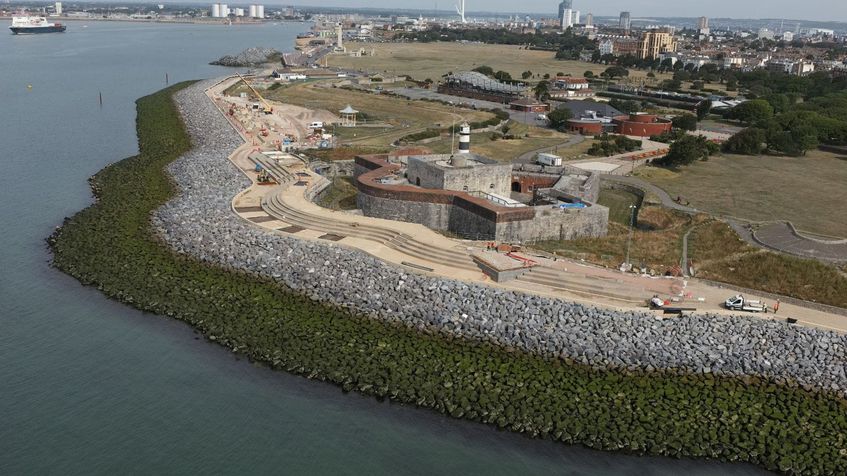
The Southsea Coastal Scheme is the UK’s largest local authority-led coastal defence initiative, aiming to protect 10,000 homes and 700 businesses from flooding and erosion along a 4.5km stretch of coastline. Haskoning was appointed as lead detailed design engineer, contributing from scoping through to construction support, with completion expected by 2028. The project integrates a mix of seawalls, stepped revetments, raised promenades, embankments, rock structures, and managed shingle beaches, alongside public realm improvements.
A key focus is balancing engineering with environmental and heritage preservation, including repurposing materials from demolished defences and enhancing biodiversity. The scheme is designed to withstand a 1-in-200-year flood event, factoring in climate change and projected sea level rise of up to 1 metre 2. It represents a once-in-a-generation opportunity to regenerate Southsea’s seafront while safeguarding its future.
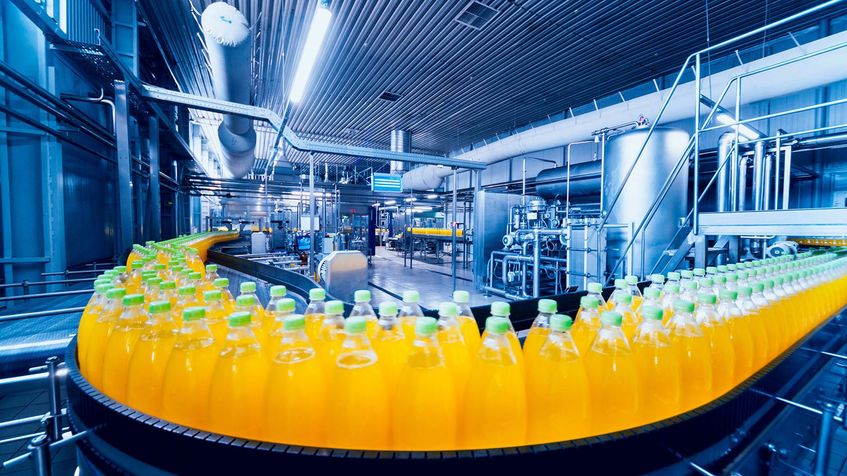
Britvic aimed to install a new high-speed manufacturing line at its Leeds facility, targeting 36,000 bottles per hour, but needed clarity on how this would affect internal logistics. Working with Twinn (formerly Lanner), Britvic used the Witness Horizon predictive simulation software to model both external and internal site flows, identifying potential pinch points, safety concerns, and resource needs. Early simulation helped frame critical questions such as gatehouse throughput, forklift driver requirements, and traffic safety, which guided the project’s direction.
The phased approach began with external logistics, then moved to internal flows, leading to innovative solutions like a one-way tunnel to separate vehicle movements. The digital twin also allowed Britvic to explore future automation scenarios and their impact on staffing and warehouse operations. Ultimately, the simulation provided Britvic with confidence in its investment decisions and helped ensure operational efficiency and safety.
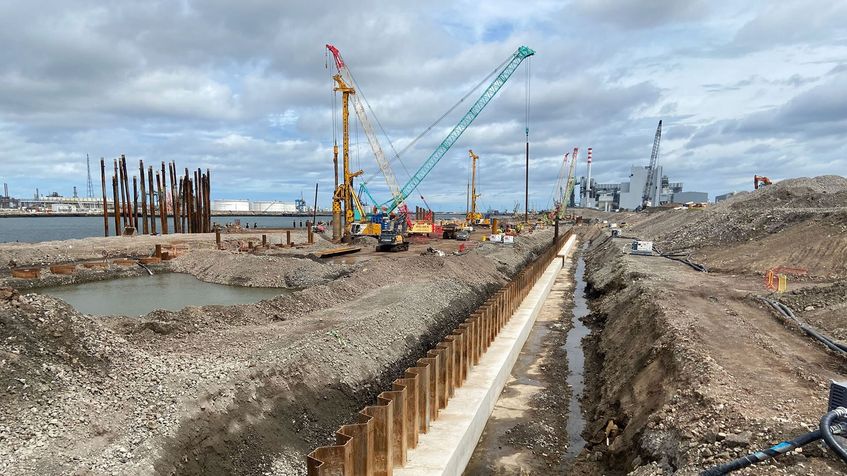
Teesworks have developed a masterplan for the banks of the River Tees as part of the Teesside Freeport. Part of this is the creation of a quay to service the offshore wind sector, providing opportunities for manufacturing, storage and mobilisation of wind technology.
We are supporting this project with the design of a new 1km quay for offshore and renewable activities. The new quay will serve the world’s largest offshore wind farm Dogger Bank, capable of powering 4.5 million homes.
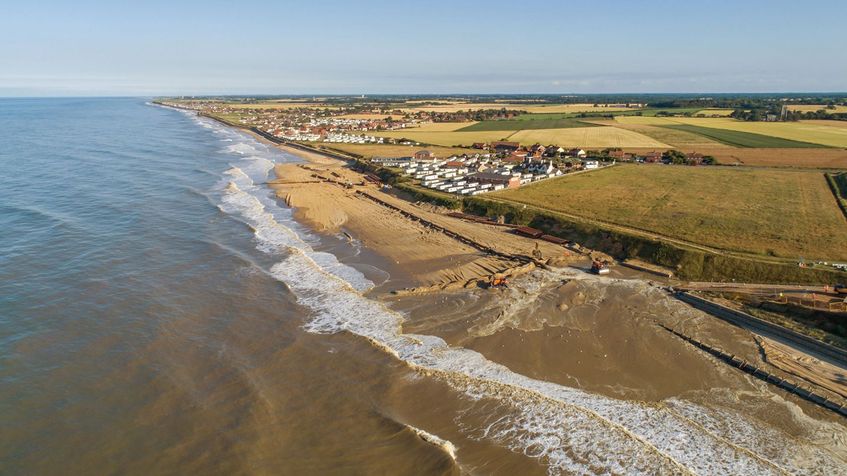
Working with nature to protect the uk’s gas supply and 300 homes using the innovative sand engine approach, Haskoning worked with the terminal’s operators and the local authority to build a nature-based solution that will protect the terminal and surrounding areas for another 15 years.
Haskoning developed a custom-built digital twin of the beach to optimise long-term management of the beach. This will help make the terminal and the villages resilient to long-term coastal change.
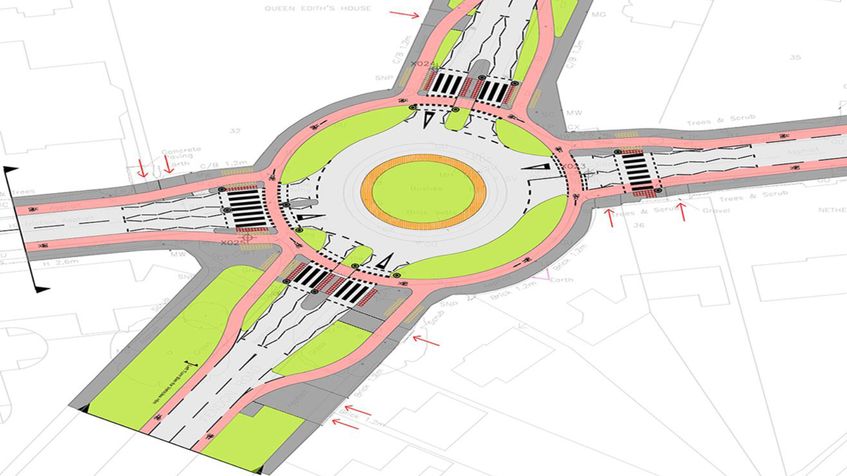
A new pedestrian and cycle friendly roundabout in Cambridge, UK, designed by Haskoning, has received funding from the Department for Transport (DfT). Haskoning was commissioned to develop a scheme that adopted the key principles of Dutch roundabout design, whilst still complying with UK regulations.
The design incorporates a segregated orbital cycle path, priority for cyclists and pedestrians on the entry and exits of the junction and tighter junction geometry; all with the objective of reducing vehicle speeds and improving safety for vulnerable road users.
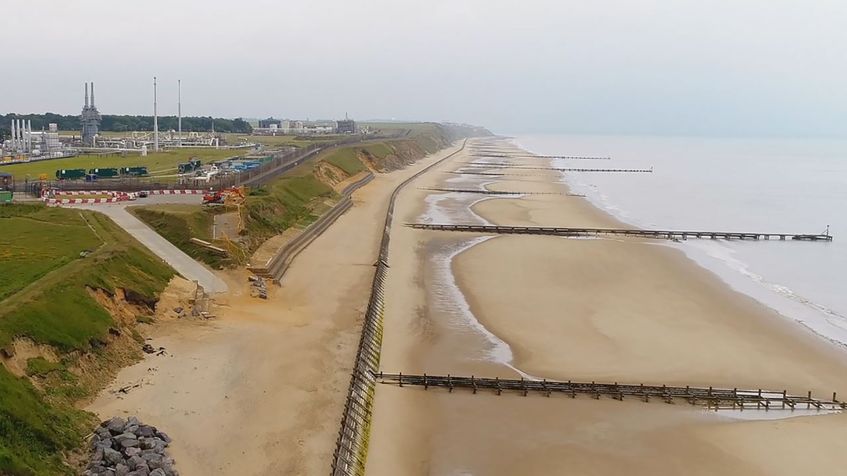
Coastal erosion is a growing problem in the UK; critical infrastructure along with coastal communities are under threat. Shoreline Management plans produced over the last decade had to make decisions on what can be protected and what must be let go.This is a particularly pressing problem along the east coast of England where Haskoning has been tasked with designing coastal protection for the nationally important Bacton Gas Terminal.
Taking inspiration from the Dutch, a sandscaping solution has been designed. It will be the first such project in the UK and outside of the Netherlands. This sustainable solution uses the power of the sea to naturally shift large quantities of sand down a coastline providing flood and coastal protection to critical infrastructure and also to neighbouring communities - thus building with nature.
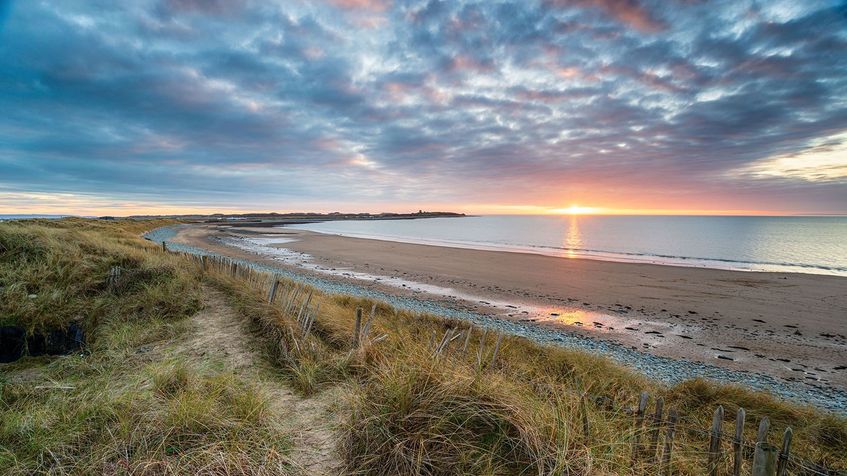
The Shoreline Management Plans (SMPs) covering Wales’ coastline needed to be refreshed to reflect changes in legislation since their conception. Natural Resources Wales called in a partnership of Haskoning and Jacobs Engineering to work on the shoreline management plan refresh.
Together, we followed the approach we had taken in our recently completed shoreline management plan refresh for England – a project that we undertook for the Environment Agency – to deliver recommendations on how to improve coastal management.

Argyll and Bute Council (ABC) appointed Haskoning to assist them with updating their Urban Traffic Control (UTC) system. With mobility in the area undergoing a seismic shift and the need to improve local bus services, the Council planners must keep their towns and communities accessible and people moving while also facing the challenges of improving the environment.