We take on and deliver over 500 projects for clients each year. Most of what we do is confidential, but these are some examples of work we have completed for global blue chips, aspiring enterprises and ambitious start-ups from a range of market sectors.
Digital Radio Mondiale (DRM) is the only universal digital radio broadcasting system that can broadcast on all frequencies, offering unparalleled audio, coverage, cost-efficiency and environmental benefits when compared to legacy analogue radio services – and yet there’s been no portable, low-power, low-cost radio available to bring these benefits to life. Until now.
With this groundbreaking development from Cambridge Consultants (CC) and CML Micro, millions of listeners in previously unconnected communities will at last have access to a world of entertainment and information through digital radio, igniting a fresh wave of innovation for both broadcasters and manufacturers around the globe. The reality is that a third of the world’s population has no internet access. For these individuals, radio broadcasts can be the difference between isolation and connection.
Acting as a lifeline into the wider world, radio provides news and entertainment that educates and informs – a privilege that many of us take for granted. Together, CC and CML Micro took on the challenge that has been holding DRM back for decades, developing a low-cost DRM radio module that will finally make this technology accessible to all.
“This low-cost DRM module is a fantastic development in the history of DRM and digital radio, bridging the gap between the vision to have digital radio over many countries while opening up the horizons of listeners, giving them all the benefits and knowledge of the 21st century.” Ruxandra ObrejaDRM Consortium Chair
By making DRM accessible to a wider population of listeners, more can reap the benefits it offers. From enjoying music and live sport to providing educational broadcasting or weather forecasts, digital radio provides connections, culture and news that might otherwise be unavailable to many rural communities. To all, it offers free, democratic broadcasting that acts as a teacher, a comfort and a friend.
Digital radio also offers vital support in desperate times. With in-built Emergency Warning Functionality (EWF) built as part of the DRM standard, digital radio can be the only method of communication that remains unaffected in moments of crisis. Providing urgent warnings of incoming floods, earthquakes and other critical information, access to digital radio can be lifesaving as well as enlightening.
The ambition of DRM has always been to provide diverse, first-rate radio content to everyone. This goal goes all the way back to the 1990s when digital TV and DAB (Digital Audio Broadcasting) radio were becoming the standard.
DRM was, and still is, the final piece of the puzzle to connect populations away from TV masts and the internet to the digital world, delivering high quality audio, text and emergency alerts.
AM transmissions in medium- and short-wave bands can be broadcast over hundreds or even thousands of miles from one transmitter alone. But a major drawback of AM transmissions is that the audio quality decreases with distance, making it very poor or unreliable for listeners far away or in remote locations.
Contrastingly, DRM on any frequency band provides clear quality sound regardless of location, offering impeccable audio over vast distances to listeners no matter where they are.
DRM is also significantly cheaper and more environmentally friendly. Since quality sound transmissions can travel further in DRM, fewer transmitters are needed when compared to FM transmissions. This can save broadcasters and regulators up to 90% in energy and maintenance costs.
If DRM is greener, cheaper, higher quality and more far-reaching – so why has no one jumped on this opportunity before?
All that has been missing is the low-cost, low-power technology to make it truly accessible to the masses.
Until that issue was solved, the vicious cycle continued: with few Digital Radio Mondiale receivers readily available, why build out a service? And with no service, why build out receivers?
As with most new technologies, costs start high for early adopters. It was only when All India Radio rolled out the service nationwide that the chance came for someone to take a leap of faith and try once again to kickstart the DRM market. CC chose to take that leap.
“This module represents a turning point for the DRM services. It’s been great to experience the best of UK talent being applied to develop such a creative solution that in turn has the potential to be used by so much of the world’s population.” Nigel FryDirector Distribution, International Services at BBC World Service
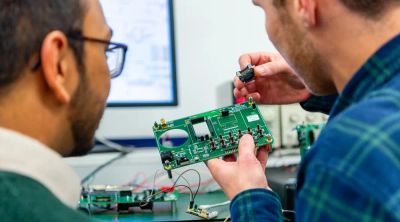
When the DRM Consortium first approached CC, we saw how our expertise in low-cost silicon and power-efficient software could be instrumental in creating a true, far-reaching solution. From here, we set about making a low-cost, low-power digital radio a reality.
Our partners on this project, CML Micro, harnessed their expertise in low-power radio integrated circuit design to ensure the radio could run on standard AA batteries, wind-up or even solar power. Meanwhile, CC drew on our extensive experience in the radio market and our capabilities in software-defined radio design and low-cost electronics to utilise IoT edge AI technology to create a low-cost and compact solution.
This collaboration has resulted in a DRM innovation that is more accessible and affordable than anything that has come before, offering a 60% cost reduction and 80% power reduction over other solutions available in the market.

And it couldn’t have come at a better time. We stand on the cusp of the market erupting as more countries embrace DRM. All India Radio’s roll out of DRM nationally has created a ripple effect across Asia with Pakistan quickly following suit.
Indonesia has also increased its rollout of DRM transmitters across its 18,000 islands, spanning a population of over a quarter of a billion people. Combined, this creates a vast international audience for digital radio that continues to rise across the world in China, South America and regions of Africa.
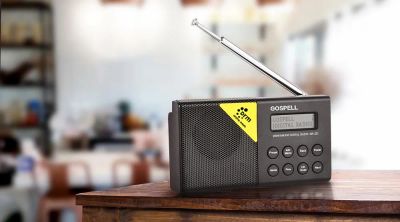
CC and CML Micro’s digital radio receiver, the DRM1000 module, fills a gap in a rapidly expanding market. Requiring no software development and minimal additional hardware to make an entry level radio, it’s now simple and affordable for manufacturers in across the world to develop full digital radios on a mass scale and be sold at a price comparable with the low-cost, analogue tri-band radios already on the market.
Officially launched at IBC 2023, Gospell Digital Technologies has already adopted the receiver module for two new portable digital radios that are now available to buy.
“The introduction of the DRM1000 module, with its impressive low-power consumption, cost-effectiveness, and high performance, is a game-changer.” Haochun LiuHead of Research and Development at Gospell
With this innovation, DRM radios can finally reach the billions of potential listeners that have been waiting for this technology around the world. From here, we expect a boom in DRM broadcasters across India, Africa, Indonesia and the many other regions considering DRM services. With the potential reach of the service growing globally, all that’s left is for manufacturers to grasp the opportunity and continue this vital work to get digital radios into the hands of listeners.
Real change cannot happen if you’re working alone. This project required reaching out to a wider ecosystem and bringing industry leaders together. Thanks to the complementary skillsets of CC and CML Micro in signal processing, software development, low-cost silicon design and low-power radio circuits, a comprehensive solution has been created, which is significantly smaller and requires far less power than anything that has come before.
With support from the BBC World Service and the long-standing commitment of the DRM Consortium, we have successfully reached an important milestone in the history of DRM at the perfect moment for it to have the most real-world impact.
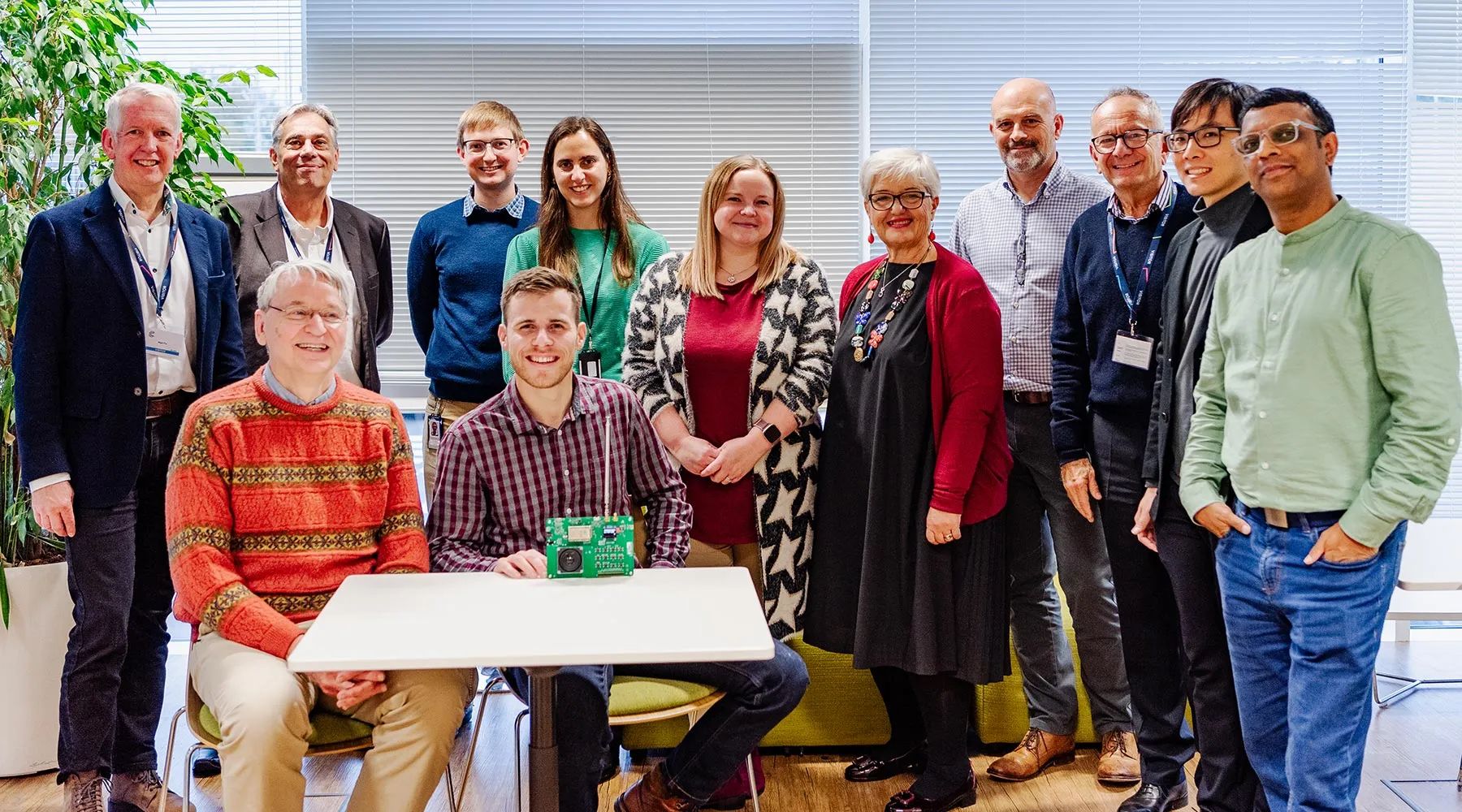
“The team at CC has been a pleasure to work with, both in a professional and personal capacity. They’ve brought a great deal of skill and capability to the project, and it’s been a great success.” Matthew PhillipsProduct Line Director at CML Micro
This breakthrough is a long time in the making, becoming a true passion project for the team members who worked tirelessly on its creation. Utilising an impressive range of complementary skills from different areas, the team ultimately put their time, effort and dedication into the creation of this technology because they wanted to make a real difference to the everyday lives of people around the world.
XPRIZE is a global leader in staging large scale contests to solve some of humanity’s greatest challenges. CC experts in artificial intelligence teamed up with the organisation to help validate and assess the AI solutions for its XPRIZE Rainforest initiative, sponsored by Alana, a five-year, $10 million competition aimed at revealing near real-time insights about the health and wellbeing of rainforests.
The ultimate ambition is to rapidly produce biodiversity data and insights to inform conservation action and policy, support sustainable bio economies and empower indigenous people and communities. Our initial relationship with XPRIZE was founded on mutual respect and something of a meeting of minds. The organisation was seeking a partner aligned to its mission of empowering people to achieve breakthroughs that accelerate an abundant and equitable future for all.
With our commitment to Tech for Good projects and a proactive focus on biodiversity as a sustainability challenge, the fit was a good one. We were able to deliver expertise in AI system development that was infused with a deep understanding of AI assurance.
Our practical approach to AI assurance, also known as trustworthy AI, is built on a robust structure and helps clients ensure their innovations are safe and secure – and also designed to meet future regulatory and standards compliance. In this case, we developed an assessment framework tailored to the specific needs of the XPRIZE Rainforest initiative, and which were focused on robustness, reliability, scalability and innovation.
The XPRIZE Rainforest competition is part of the US-based organisation’s biodiversity and conservation domain, which is focused on accelerating development of novel technologies to rapidly and comprehensively survey biodiversity and improve understanding of complex ecosystems.
Competing teams from across the world were challenged to survey the biodiversity contained in 100 hectares of tropical rainforest in 24 hours. They also had to produce the most impactful real-time insights within 48 hours. Semifinal testing in Singapore concluded in Spring 2023, with six teams progressing to finals testing which took place in the Amazon rainforest in July 2024.
“The work was vital for informing the judges and enabling a successful judging summit. Well done to the CC team for all the perseverance and hard work in this first of a kind – the evaluation of AI systems for conservation technology.” Kevin MarriottSenior Technical Lead, XPRIZE
Competitors used a wide range of technologies for their endeavours, including everything from cameras and drones to bioacoustics and eDNA – that is DNA collected from environmental samples such as soil and water. Crucially, all applied AI in some way – at a layer above the various sensing technologies – to rapidly process data.
With limited artificial intelligence expertise represented on the judging panel, our knowledge in AI assurance was indispensable in guiding fair judgement of what was a set of vastly differing AI systems and highly complex environments and scenarios.
The first phase of our project involved getting up to speed both with the detail of each team’s solution, and the priorities and expectations of XPRIZE and its judging panel. This enabled us to devise a set of criteria on which the AI systems could be fairly assessed.

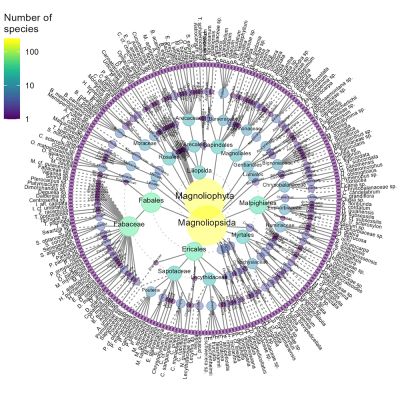
In phase two, once the teams had collected and analysed their data, CC’s innovation consultants carried out those assessments, through a mixture of carefully defined qualitive and quantitative measures. Our report supported the final judging summit, which led to the selection and announcement of winning teams in November 2024.
With the sponsored prize pot adding up to $10 million, the winners have been given a great chance to scale their systems and develop impactful real-world solutions for measuring the biodiversity of tropical rainforests. It was essential for us to ensure that the judges received a comprehensive AI assessment, enabling them to make informed decisions when selecting the winning teams based on robustness, scalability, reliability, and true innovation.
The importance of saving the world’s remaining rainforests can’t be overstated. They are nature’s life support system, home to a huge proportion of biodiversity and influencing our weather systems. By helping to ensure that the XPRIZE Rainforest competition was won by teams who were using AI responsibly to achieve the ultimate goal of measuring the most amount of biodiversity and providing the most meaningful insights, we were actively working to expediate the monitoring and protection of this vital ecosystem.
“XPRIZE Rainforest will revolutionise our understanding of the planet’s most diverse and complex ecosystems, rapidly and remotely quantifying their intrinsic value in unprecedented detail. We are grateful to CC for their unique AI expertise, and commitment to our cause.” Anousheh AnsariCEO, XPRIZE
The project is one we look back on with huge pride. The ambitions of XPRIZE sit perfectly with CC’s bold approach to deep tech strategy – not least because the organisation exists to facilitate innovations that are so close to impossible that they wouldn’t otherwise happen. The stakes in environmental sustainability are high, and many of the solutions that are needed simply don’t exist. Perhaps this is why the conservation sector is increasingly looking for answers through radical technology innovation.
This is partly due to the pressing urgency of the situation, and partly down to the failure of more traditional approaches. Whatever the background, there’s no doubt that technology innovation, founded on AI assurance and trustworthy AI, will continue to fuel our collective fight to save the planet. CC will remain in the vanguard, ready to take inspiration from clients like XPRIZE and its ambition to “revolutionise how we work together to protect the planet’s most diverse and complex ecosystems in a time that has never been more urgent for life on earth”.
Climate change and a rapidly growing global population are driving an urgent need for water conservation.
Today, around half of the world’s population faces severe water scarcity for at least part of the year, and by 2050, over 5 billion people could struggle with inadequate water access. Agriculture sits at the heart of this challenge, consuming 70% of the world’s freshwater. As experts in deep tech innovation for sustainable solutions, we’re proud that our collaboration with the global leader in precision irrigation Netafim that makes a real impact—helping farmers worldwide grow more with less resources such as water and fertilisers.
While drip irrigation has long been recognised as an effective solution, its transformation into a high-tech solution has been hindered by cost, energy consumption, and long-term reliability concerns. Today, advancements in low-energy technology have made it possible to develop solutions that require minimal maintenance and intervention—critical needs across many industries.
Additionally, ensuring reliability, durability, and cost-effectiveness has been a barrier to wider adoption, as systems must be robust and built to last. In our collaboration with Netafim we respond to these challenges and work together to think of new solutions for drip irrigation with the potential to save 20% of water with this new technology.

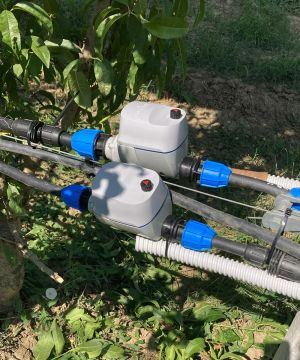
To cope with the challenging and complication nature of plumbing on farmland, some suppliers develop over-specified systems of large pumps and pipes that need regular maintenance. Instead, Netafim’s focus is on targeted zones – irrigating small blocks in rotation as required rather than flooding wider areas all at once. The company has also put the emphasis on easy installation, without the need for intermediaries or a specially trained workforce to implement and maintain the system.
Our novel smart technology has a network of sensors able to react to actual soil conditions. Water is only used when it’s needed, where it’s needed – a strategy that preserves resources while maximising crop yield. This enhanced approach also has a direct benefit on fertiliser, improving its efficiency by 30% and reducing the association energy consumption by up to 35%.
Given the significant carbon footprint associated with fertiliser production and use – four per cent of global CO2 emissions – this unique form of drip irrigation has huge sustainability potential. With no relevant off-the-shelf technologies available, our solution had to be built from first principles. Initially, we had to understand how to minimise the power required to communicate to the devices. Then the task was to develop electronics with incredibly low power consumption.
The third step was to design an enclosure that would ensure reliable operation for such a long time. This meant maintaining robust separation of ‘wet’ areas of operation – valves – from the ‘dry’ electronics and optics.
“We are happy to collaborate with the CC team to fight water scarcity. The relationship flourished during the arc of the project, and we are delighted with the results and that trials are now well underway.” Esteban SocolskyVP R&D, Netafim
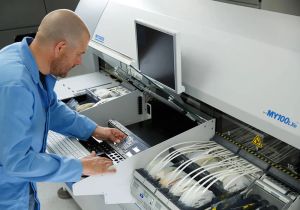
This unique, multifaceted challenge required the sort of multidisciplinary execution that only CC can deliver. It suited our diverse set of skills, from sensing and low power operation to optical communication, embedded software and mechanical design. With everything inhouse, project team and client had direct access to colleagues as needed.
The process benefited from rapid exploration and application of relevant technologies at each turn, maintaining momentum to deliver the optimum overall technical solution. Close collaboration throughout the project engendered mutual trust, as the CC and Netafim teams complemented each other’s skills. Our client has deep engineering knowledge and experience of what it takes to make a successful product.
We added expertise in electronics, firmware, optics design and the production side of building electronics. The breakthrough architecture to deliver the ultra-low power, scalable system at an achievable price point called for expert prototype production and quick iterations between any design modifications.
Our inhouse electronic production department (EPD) built thousands of units for initial Netafim field trials, with each unit tested and subject to rigorous quality control before being shipped to the test location. This dedicated facilities and expertise covers all aspects of circuit board design, development and manufacture.

Getting everything onto the micro controllers was a key challenge. Our embedded software team architected a protocol for a network consisting of thousands of nodes, but they also had to ensure that it delivered the scalability for ultra-low power. Given the long product lifetime and underground inaccessibility, the system allows for additional functionality to be included as digital farming advances, future proofing Netafim customers and delivering opportunities for new revenue streams to Netafim.
By considering the future ambitions of Netafim’s digital farming platform, the CC team designed a holistic system with great flexibility to realise future services. And that future looks good. Following production runs, units have been constructed, and field trials are well underway, with a product launch date scheduled for the end of 2025.
“CC had the specific range of technical expertise and inhouse facilities all in one place. Their deep expertise in electronics, firmware and optics dovetailed perfectly with our core strengths.” Avi SchweitzerResearch & Development Fellow, ex-CTO, Netafim
Roswell Biotechnologies are delivering their ambition of biological testing measurements on a chip. Working closely with Roswell, Cambridge Consultants have helped them create a biosensor that aims to transform industries. The chips dramatically reduce the costs of a test, provide rich information rapidly and let you have small, portable mobile devices that can be used anywhere.
To quote Roswell co-Founder and Chief Scientific Officer Barry Merriman, “The goal of this work is to put biosensing on an ideal technology foundation for the future of precision medicine and personal wellness. This requires not only putting biosensing on chip, but in the right way, with the right kind of sensor. “We’ve pre-shrunk the sensor element to the molecular level to create a biosensor platform that combines an entirely new kind of real-time, single-molecule measurement with a long-term, unlimited scaling roadmap for smaller, faster and cheaper tests and instruments.”
Purina is a trusted pet care brand with 120 years of experience supporting pets and the people who care for them. Always striving to shape the future of pet care, Purina has a vision to share its deep expertise in pet health, behavior and nutrition directly with consumers to help give pets the best life possible. That vision and innovative spirit inspired Purina to build the Petivity Smart Litterbox Monitoring System to enable pet parents to better understand and care for their cats.
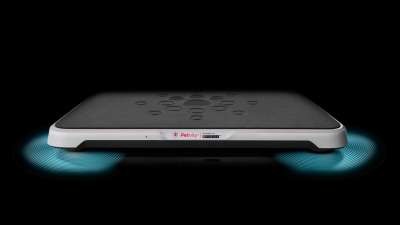
The Petivity connected system is powered by a physical device that sits under the litter box to track cats’ bathroom behavior. The collected data is sent to the cloud where AI algorithms, based on Purina’s industry-leading research, translate the data into actionable and personalized insights. Consumers can then view the data and insights on the mobile app.
Capgemini research shows that 88% of organizations will be offering intelligent services in the next five years but only 7% of them have scaled use cases for intelligent products and services. Petivity is Purina’s first connected offering. It represents a new way for the heritage CPG company to connect directly with its consumers by collecting unique data that powers personalized health insights and recommendations.
This work was delivered by teams from both CC and Synapse, a fellow company within Capgemini Invent.
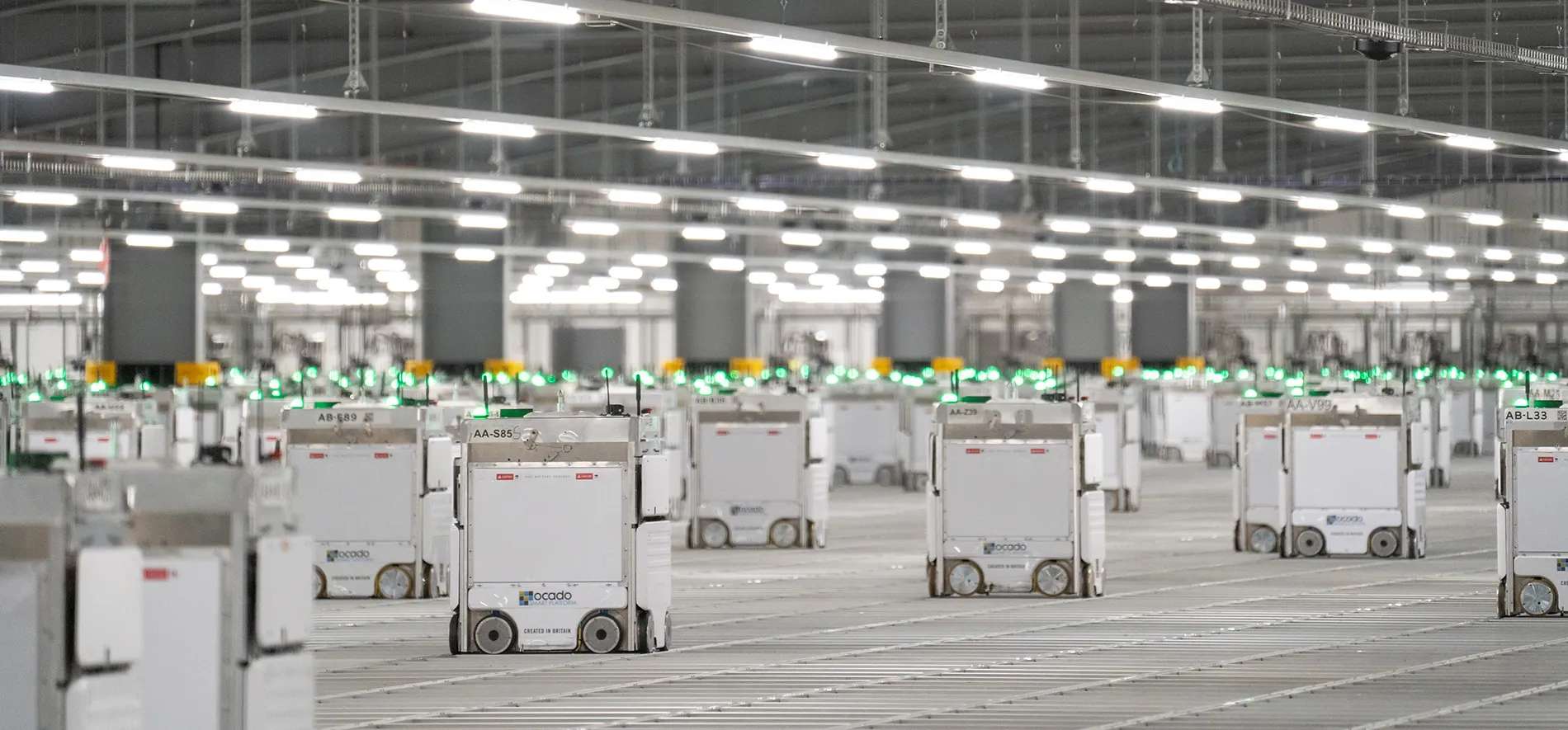
The Ocado Smart Platform (OSP) is Ocado Group’s world-leading suite of solutions that has been built to transform online grocery across the world. As a strategic OSP technology partner, we worked alongside Ocado Technology to develop the unique communication system that sits within the OSP, orchestrating swarms of bots across highly automated warehouses./p>

The Ocado Smart Platform (OSP) combines Ocado Group’s proprietary end-to-end software systems with their physical fulfilment assets to deliver superior economics for grocery retailers and unmatched experiences for consumers. In close collaboration with Ocado Technology’s engineering teams, we developed a communication system for the OSP unlike anything else available.
It uses unlicensed spectrum to provide simultaneous and robust communication between thousands of bots and the control system, allowing each to talk to the communication system ten times a second, collectively carrying four terabytes of data a day. The result sets Ocado Group apart in the industry through a breakthrough in radio design and the most densely packed cellular network in the world.
The OSP communication system orchestrates swarms of bots in Ocado Group’s highly automated warehouses. These bots move across giant storage grids at speeds of up to four meters per second, with a clearance of just five millimetres between them.
The bots pick an average 50-item order within five minutes, which is 18 times faster, more reliable and more economic than traditional warehouses that operate extensive conveyor belt systems.
Through machine learning, robotics and data science, Ocado Group continues to lead the transformation of online grocery. We are now collaborating with Ocado Technology to evolve the next generation of the OSP’s highly flexible communications system for use by their partners around the world.
Uptake of OSP licenses has been fast. Ocado Group has already established agreements with leading grocery retailers across North America, Europe, Asia and Australasia, to scale those retailers’ online operations sustainably and profitably.
We worked as an extension of Ocado Technology’s design team during development of the wireless communication system, collaborating to overcome each fresh challenge and carrying out fast regulatory, feasibility and de-risking processes.
Throughout delivery we led the design verification work – guiding manufacturing partner selection, building a robust transfer-to-production ecosystem and providing 24/7 support during the transition. We also led technical seminars, training and knowledge transfer sessions.