

Over the last 15 years BrambleCFD has worked with a number of high profile companies, providing them with fast and accurate CFD results. Below are a few examples of how Bramble can be used in real world applications.
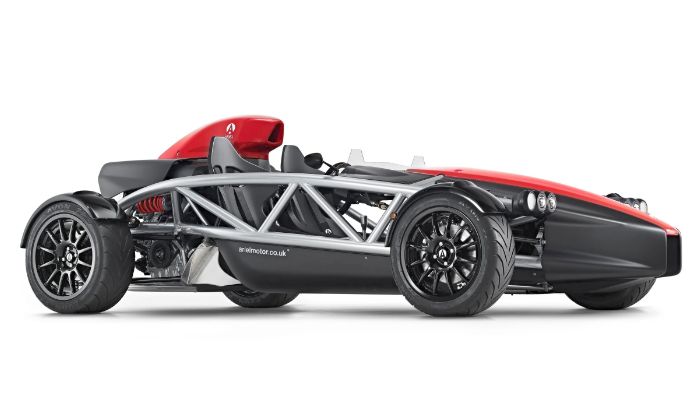
Ariel Motor Company, manufacturers of the Atom and Nomad cars and Ace motorcycle, are a low volume manufacturer. They wanted to continue developing their vehicles without incurring the high costs from simulations and external CFD consultancies and so decided to try out Bramble.
The Bramble Solution
After a morning of training and with Bramble’s easy-to-use tools, and high-fidelity best practice workflows Ariel were running simulations. The many safety features within Bramble ensured results were of a high fidelity and the user-friendly tools and database allowed Ariel to run simulations and analyse results with little or no CFD experience.
Value Realised
Ariel was able to continue developing their vehicles beyond what budget had previously allowed. With minimal CFD knowledge they were able to successfully use the Bramble platform to undertake, in-house, detailed aerodynamic development of their vehicles.
SAE International or the Society of Automotive Engineers is a US based professional association for engineering professionals. Publishing vital research articles for mobility engineers.
The Bramble Solution
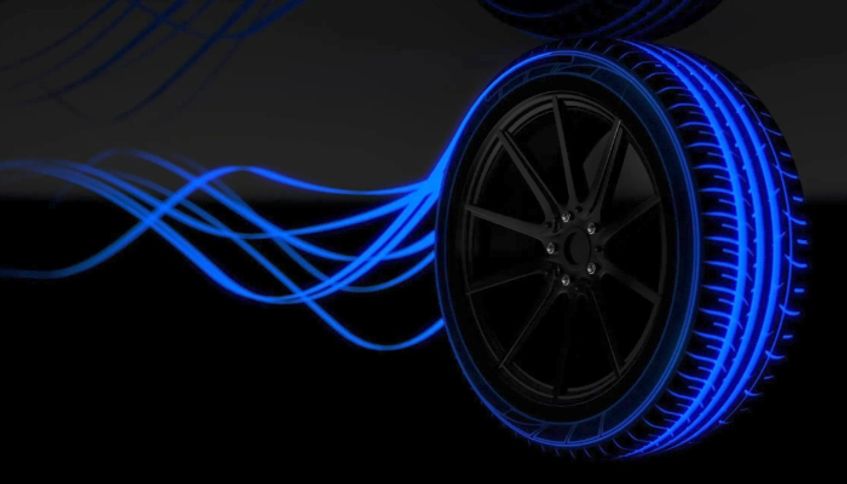
Using a full-vehicle steady-state CFD model of Formula 3 car (Dallara F317), three manoeuvres characteristic of race cars were simulated. A straight-line braking (SLB), end of straight driving (EOSD), and high-speed cornering (HSC) manoeuvre. The tyre deformation included proper wheel load, car speed, wheel speed, camber angle, and slip angle for each wheel.
Value Realised
The results showed that the tire deformation of the vehicle had an effect on the car aerodynamics of up to a 2.5% for the 3 different manoeuvres, which in turn affected the lap time by 0.22 seconds.
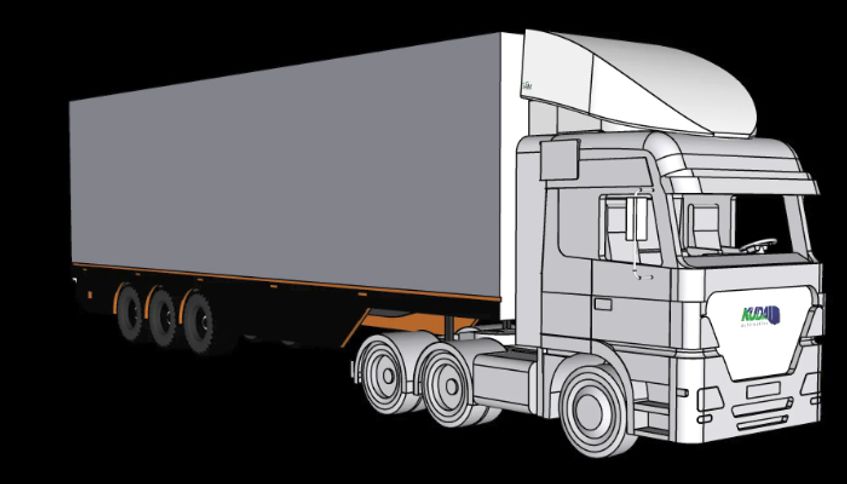
Kuda Automotive are one of the largest and leading suppliers, manufacturers, distributors and installers of Commercial Vehicle Aerodynamics and Accessories in the UK.
The Bramble Solution
Using real world 3D scanned parts and manufacture supplied vehicle and trailer models BrambleCFD were able to run CFD simulations assessing the drag both with the Kuda iAM Air Management kit fitted and without.
Value Realised
The results of BrambleCFD simulations clearly showed the benefits of installing a Kuda iAM Air Management kit with a huge reduction in drag that would increase the vehicle’s fuel efficiency by up to 5.5% and the vehicle’s overall drag by up to 11%.
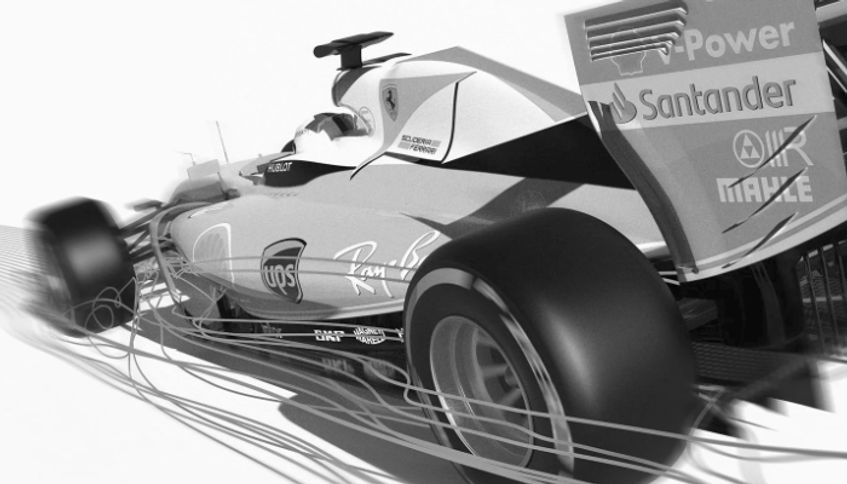
Aerodynamics plays a critical role in the performance of many modern racing formulas, but it is perhaps Formula 1 that has become most synonymous with aerodynamic innovation.
The Bramble Solution
Indeed, Bramble’s own roots go back to the early 2000s where our engineers were creating CFD simulations for British American Racing on the site that now homes the Mercedes F1 team. To celebrate this heritage, we have created CFD models of 5 generations of F1 car spanning 70-years.
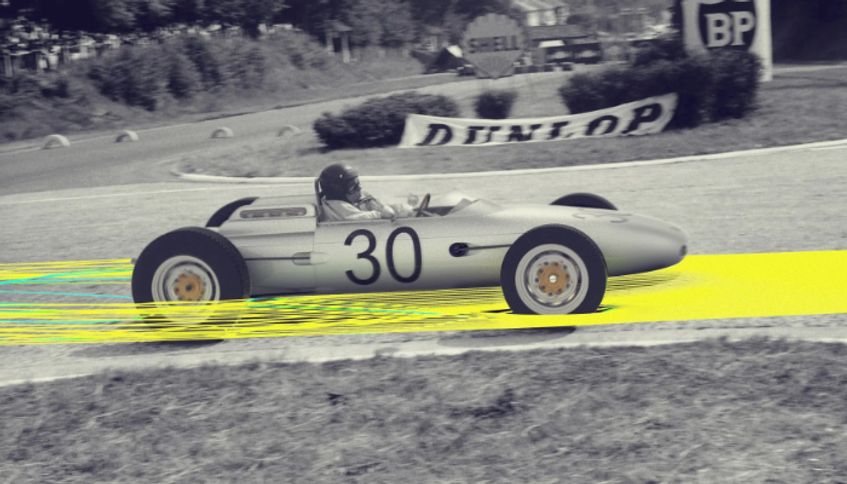
Designed by Ferdinand Alexander Porsche, the 804 competed for a single season in 1962. Dan Gurney raced the 804 to Porsche’s only Formula 1 race victory at the French Grand Prix.
Low Drag Design
Common with other cars of the era, the Porsche 804 has a streamlined body to reduce drag, but doesn’t feature any downforce generating devices found on later generations of F1 car.
The bodywork is generally clean with minimal flow separations. The windscreen does a reasonable job of surrounding the the driver with low energy flow (to minimise drag) with the edge of the wake hitting the upper portion of the driver’s face.
Drag Sources
The exposed wheels on the Porsche 804 are the largest contributor to drag, accounting for 46% of the total, followed by the body & driver at 37%.
The suspension members make up the remaining 17%, which is perhaps surprising considering their relatively small frontal areas. This is explained by the circular cross sections used in their design that can produce ten times the drag of an equivalent thickness aerofoil section.
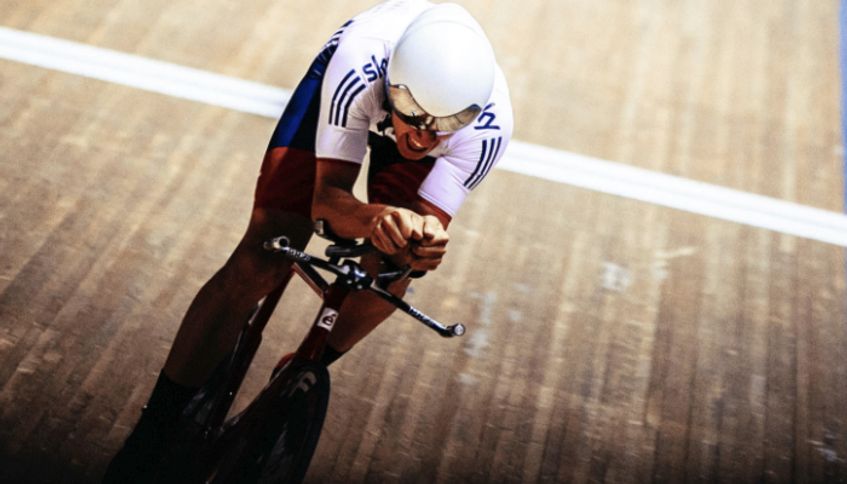
Here at BrambleCFD we have worked with many top quality cyclist teams to aid the improvement of their performance. Our simulations provide easy aerodynamic analysis with forces and post-processing in one place. We provide automatic testing over multiple ride conditions and flow conditions, and our rider-following-rider simulations are a key feature.
How it works
Bramble can scan and upload the geometry of the rider at different leg positions and then automatically test each of these against a design update.
Bramble can also create rider-following-rider simulations as easily as single rider runs. On completion it will generate complete post-processing sets for both riders.
Powerful analysis
Bramble extracts vast amounts of data from a simulation when it completes including: