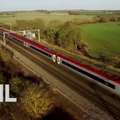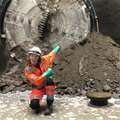

Parsons Tunnel North Portal (PTNP) Rockfall Shelter project was a key part of the South West Rail Resilience Programme, to preserve Brunel’s iconic rail line that connects Devon and Cornwall to the rest of the UK. The £42 million project used state-of-the-art engineering and methodology to overcome the rugged terrain of the steep cliff, rail tunnels, and the sea.
The project involved constructing a 100-metre precast concrete shelter to protect the trains from any falling rocks. To do this safely and efficiently, the team used a pioneering rail-mounted gantry crane to install the 22-tonne shelter safely over the live railway. Over 1,400 soil nails were installed to stabilise the 30-metre cliffs above, with all works conducted in tightly scheduled possessions to keep the railway operational.
The project achieved an exemplary health and safety record, as the superstructure works were all completed without a single case of harm. Commitment to climate resilience and sustainability were at the heart of this project. The team successfully implemented carbon reduction assessment measures, and demonstrated environmentally sustainable practices throughout, which achieved a biodiversity net-gain target of +10%.
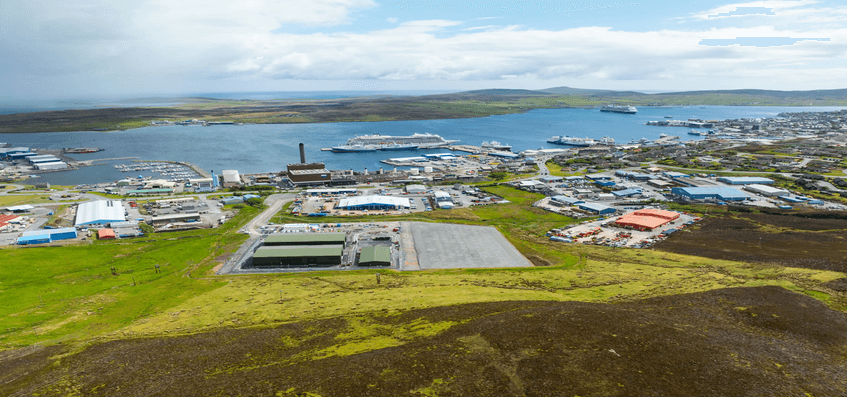
The Gremista underground cable and grid supply point project has connected Shetland to the electricity grid for the first time, allowing the Island to take advantage of the renewable power generated on the Island. The project consisted of two distinct sections: the Underground Cable (UGC) element and the grid supply point (GSP).
The team installed ducting and cabling to carry three sections of new double circuit 132kV UGC between Kergord substation GIS Building and the new Gremista Supply Point substation. These circuits are designated KG and KG2.
The ducting and cabling for the project runs circa 11km through environmentally sensitive areas of peatland and the Sandwater Loch.
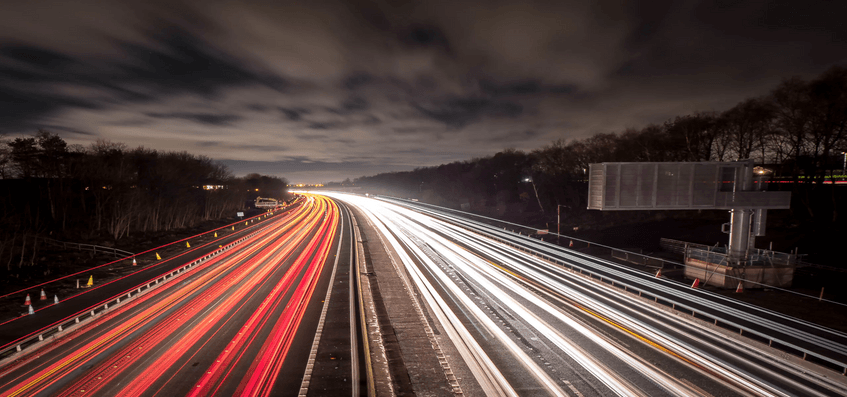
Innovation and high productivity on the M40/M42 interchange. We delivered a high-quality scheme, 3 months ahead of schedule, with substantial efficiencies, carbon reduction and minimal customer disruption.
Our M40/M42 Interchange team developed an outstanding, innovative solution for the first precast foundation and above-ground barrier installation of 10.5km of Central Reserve Rigid Concrete Barrier (RCB).
Our challenge was to find a solution that would avoid costly drain relocations and minimise impact on existing infrastructure. Our solution is surface mounted, enabling quicker installation and eliminating time consuming post installation operations normally required for traditional barrier options.
We rehearsed delivery and installation of the 8m long, 4t precast foundation units, using exclusion zones and handling plans. We developed a safety methodology where units could be delivered and installed without requiring further traffic management, eliminating months of additional traffic management night-time lane closures, significantly improving safety and production outputs.
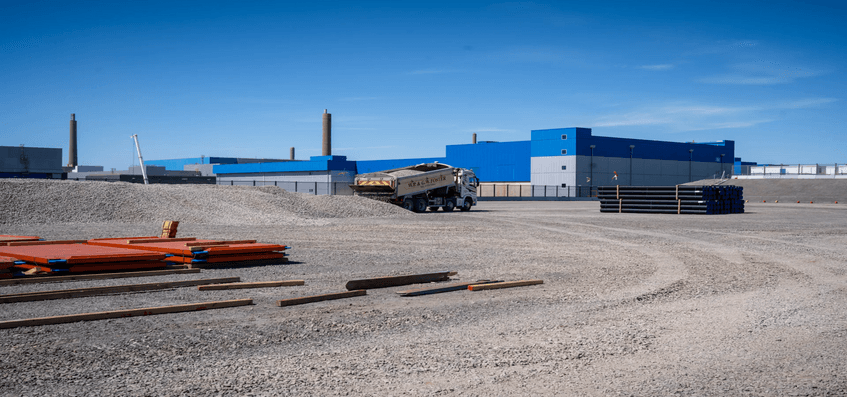
The Intermediate Level Waste East Zone (ILW-EZ) project is paving the way for the construction of the Lightly Shielded Store (LSS1). This facility will store special nuclear materials from across the Sellafield site once operational. The first phase of a complex land preparation project, known as the Intermediate Level Waste East Zone (ILW-EZ), has been completed on the Sellafield site preparing the LSS1 site with enabling works so that construction of the facility can commence to schedule.
After two years of complex planning, the project has seen groundworks and excavation completed to prepare land equivalent in size to seven football pitches (50,000m2) and the excavation of 140,000m3 of material over 18 months.
Some key work included:
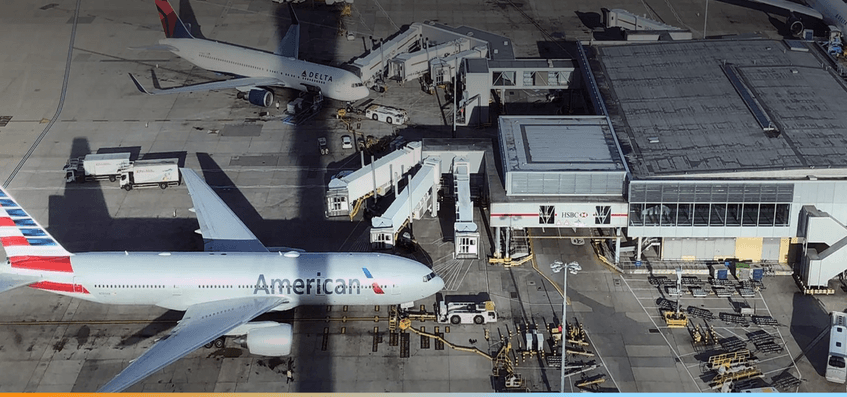
Following the successful delivery of several projects on Heathrow’s Q4 and Q5 programmes, in 2014 Morgan Sindall Infrastructure was appointed to the five year Q6 framework. In 2019 the Q6 framework agreement was extended for a further two years, Q6 +1, ending in December 2021.
Securing Q6+1 recognises us as one of Heathrow’s integral partners. While Q4 and Q5 encompassed new terminal buildings and major infrastructure, Q6 focused on optimising existing infrastructure and assets. This involved work on a higher volume of smaller projects than previous frameworks, to improve resilience for the world’s busiest two runway airport. Combined, the project increase airport capacity and enhance the passenger experience, enabling sustainable growth across what will ultimately become a zero-carbon transport hub.
We collaborated with other contractors and Heathrow to extend the life of assets such as taxiways, road infrastructure, airfield ground lighting and utility services. Our second strategic programme addressed airport resilience, including the widening of taxiways for A380 aircraft. This improved airline punctuality and optimised areas of the airfield – a key performance improvement used to determine an airport’s ASQ (Airport Service Quality) rating.
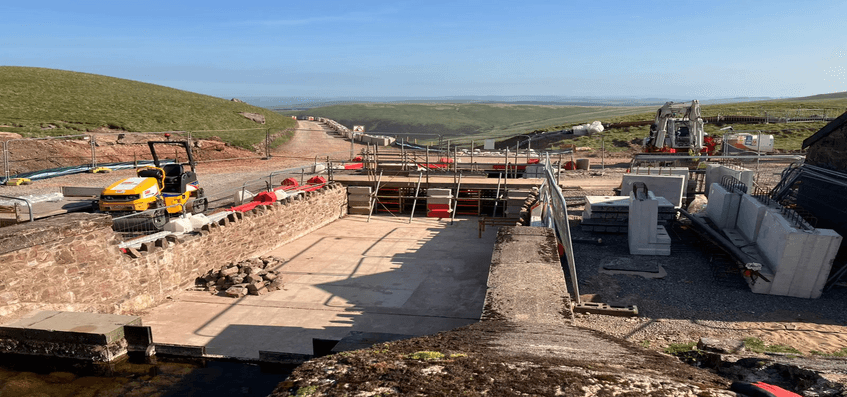
Llyn y Fan Fach reservoir, at the head of the Afon Sawdde, in Bannau Brycheiniog National Park, underwent a significant refurbishment following a statutory inspection under the Reservoirs Act 1975. The inspection identified structural concerns, particularly in the draw-off tower, a vertical structure that controls water release, and the spillway, which safely channels excess water away from the reservoir. These findings prompted a planned upgrade to ensure long-term safety and regulatory compliance.
As a Grade II-listed structure, the reservoir required a refurbishment that balanced modern engineering standards with heritage preservation. Due to the site’s remote location, narrow access routes, and environmental sensitivities, the project team maximised off-site fabrication and used innovative construction methods.
Key works included: