Building for life.
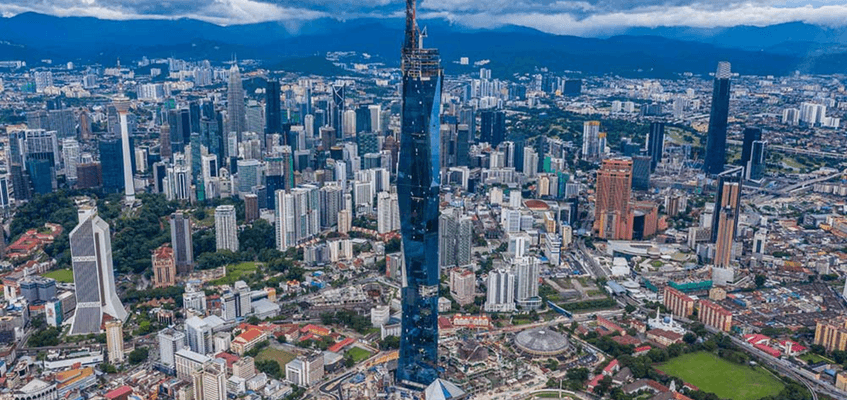
The Merdeka 118 Tower is a 725-metre skyscraper in Kuala Lumpur, Malaysia, a 118-floor structure that consists of 400,000 m² of residential, hotel and commercial space. It is the tallest building in Malaysia and South-East Asia, and the world’s second tallest.
The contract to erect the tower’s spire was awarded to VSL, which supplied, installed and operated the heavy-lift system to raise a 160-metre spire to the top of this mega-building. The teams achieved this incredible feat through unique expertise as they designed the most suitable and innovative solution.
Another major challenge was the 616-metre elevation of the work platform, with monsoon weather conditions making the work even more challenging.
This technical exploit demonstrates Bouygues Construction’s expertise in design and engineering, as well as its ability to deliver optimal solutions for the most complex projects. The Merdeka 118 Tower stands as an impressive symbol of modern engineering and technical excellence.
Building for life, building for mobility.
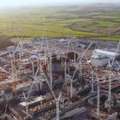
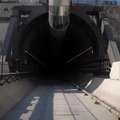
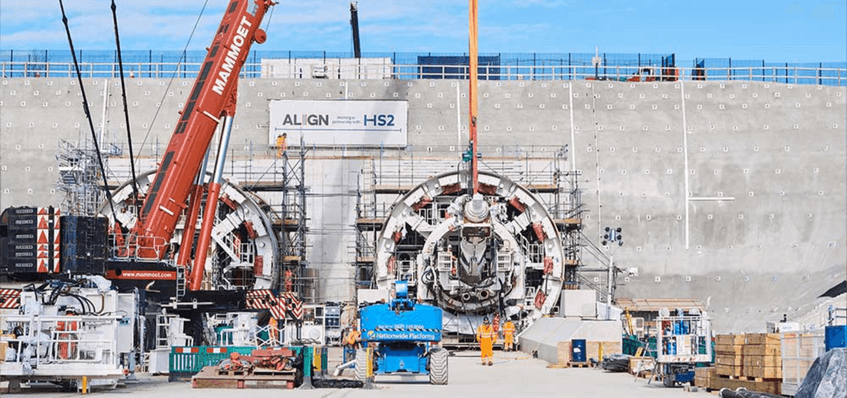
The HS2 high-speed rail line is the United Kingdom’s largest transport infrastructure project. The line will allow a non-stop journey from London to Birmingham. The 21.6-kilometre stretch of the line in north-west London under construction by Bouygues Travaux Publics includes an iconic 3.4-kilometre viaduct (the Colne Valley Viaduct) and a 15.75-kilometre twin-tube tunnel (the Chiltern Tunnels).
The construction of the C1 section of the UK high-speed rail line represents a major commitment by Bouygues Travaux Publics and the Align joint venture to help reduce carbon emissions. The 40% reduction in carbon emissions achieved by this project demonstrates the company’s determination to limit its environmental impact while meeting society’s growing need for mobility.
One of the major measures taken to minimise the carbon footprint of the project was the re-use of excavated soil. The project has demonstrated a circular and environmentally responsible approach by reusing roughly 3 million m3 of soil to create a 127-hectare meadow. This initiative has not only helped to minimise site waste, but also to restore valuable local ecosystems.
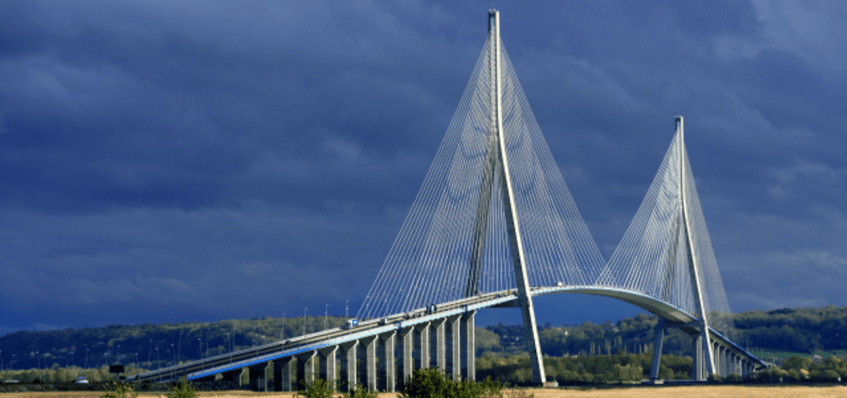
Within the “Pont de Normandie” consortium, Bouygues Travaux Publics built what was when it opened in 1995 the world’s largest cable-stayed bridge in France. It has a total length of 2,141 metres and a span of 856 metres, crossing the River Seine at a height of over 50 metres in order to keep the road traffic flowing without interfering with river traffic heading towards Rouen.
In 1995, the 856-metre central span raised the world record for such a span by 80%. For Bouygues Construction, this project provided the opportunity to patent a construction method developed in-house, which proved itself capable of pushing a 700-metre deck up a stepped 6% incline.
Building for life, building for connection.
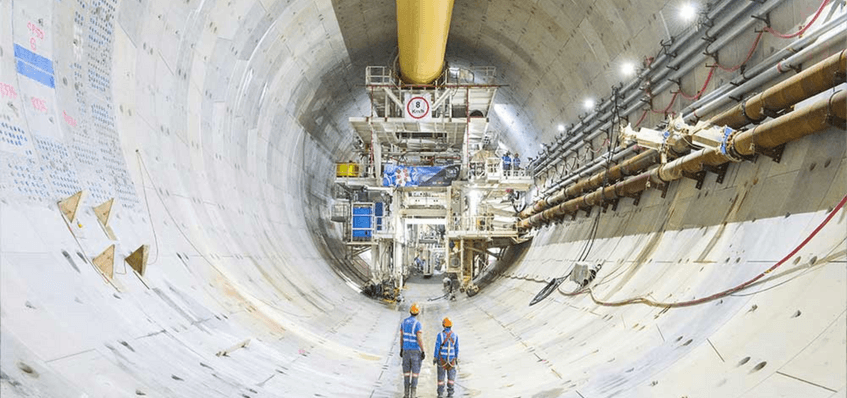
In 2013, Dragages Hong Kong and Bouygues Travaux Publics won the largest design-build contract ever awarded in Hong Kong for the construction of a 5-kilometre twin-tube undersea road tunnel to link the new northern territories to the artificial island of Hong Kong-Zhuhai Macao Bridge Hong Kong Port, providing faster access to the international airport.
This pioneering operation pushed back the limits of underwater construction. With excavation zones as deep as 50 metres under the sea, maintenance operations were carried out in a hyperbaric environment by teams of specialists living on the surface in pressurised habitats.
This exploit was a record for Bouygues Travaux Publics, testifying to the technical expertise and ingenuity deployed in the construction of this exceptional infrastructure. The project demanded an innovative and ambitious approach from the outset.
Two artificial islands were specially built to accommodate the start and finish of the tunnel boring machine (TBM), demonstrating a determination to push back the frontiers of engineering and overcome the most complex logistical challenges.