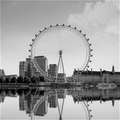

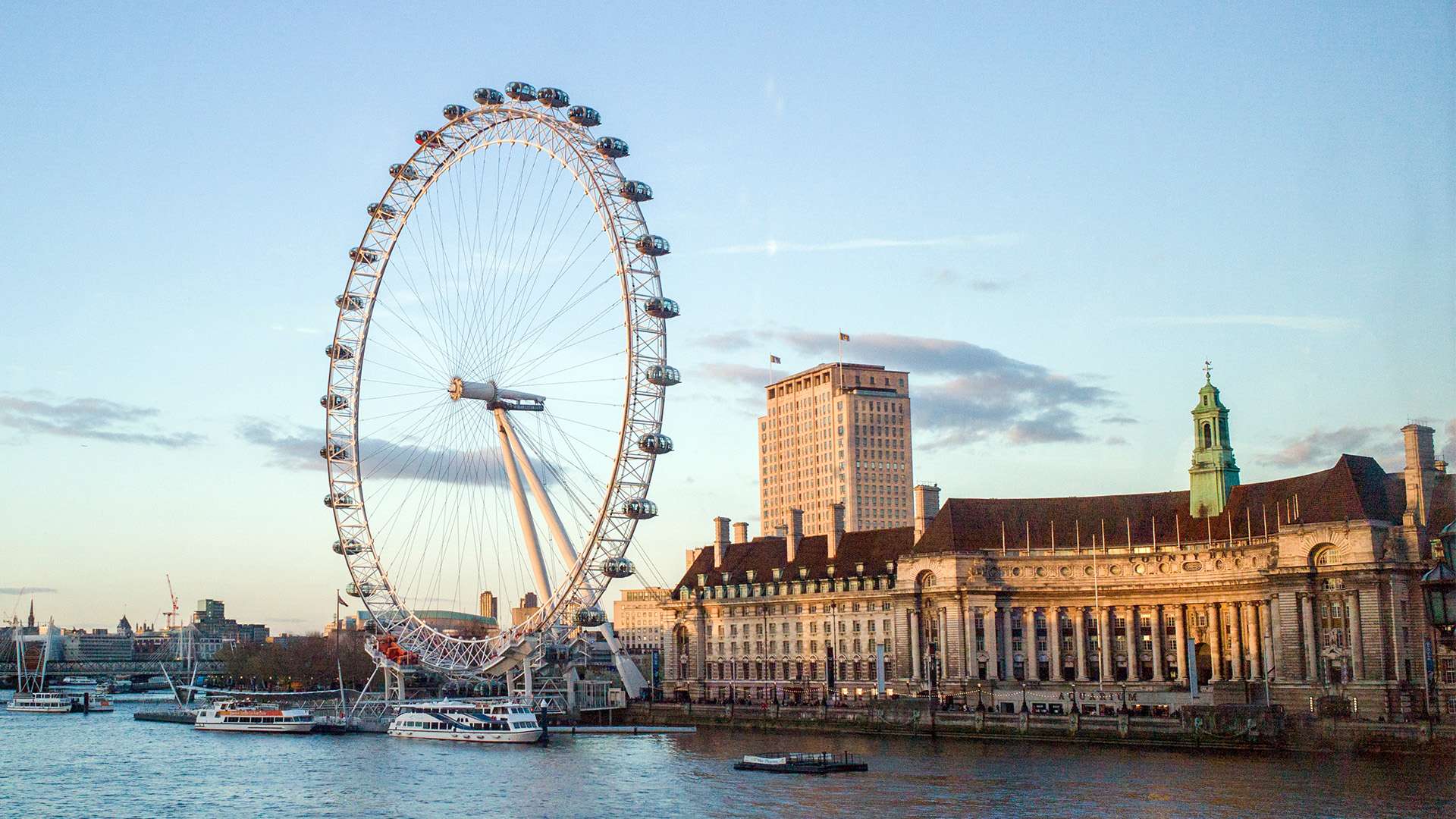
The London Eye, originally known as the Millennium Wheel, is a 135-metre-tall, cantilevered observation wheel located on the South Bank of the River Thames in London. It was designed to mark the turn of the millennium and officially opened to the public in March 2000. It held the title as the world’s tallest Ferris wheel until 2006.
Tony Gee was commissioned to design the temporary and permanent substructure, ferry brows, access jetties with severe ship impact loading criteria and the landscaping works surrounding the London Eye.
Tony Gee’s reputation for producing innovative engineering solutions, often in congested urban areas, was put to use and a fast-track approach was developed to ensure early completion of this iconic project.
The scheme won the ‘Institution of Structural Engineers Special Award’ in 2001.
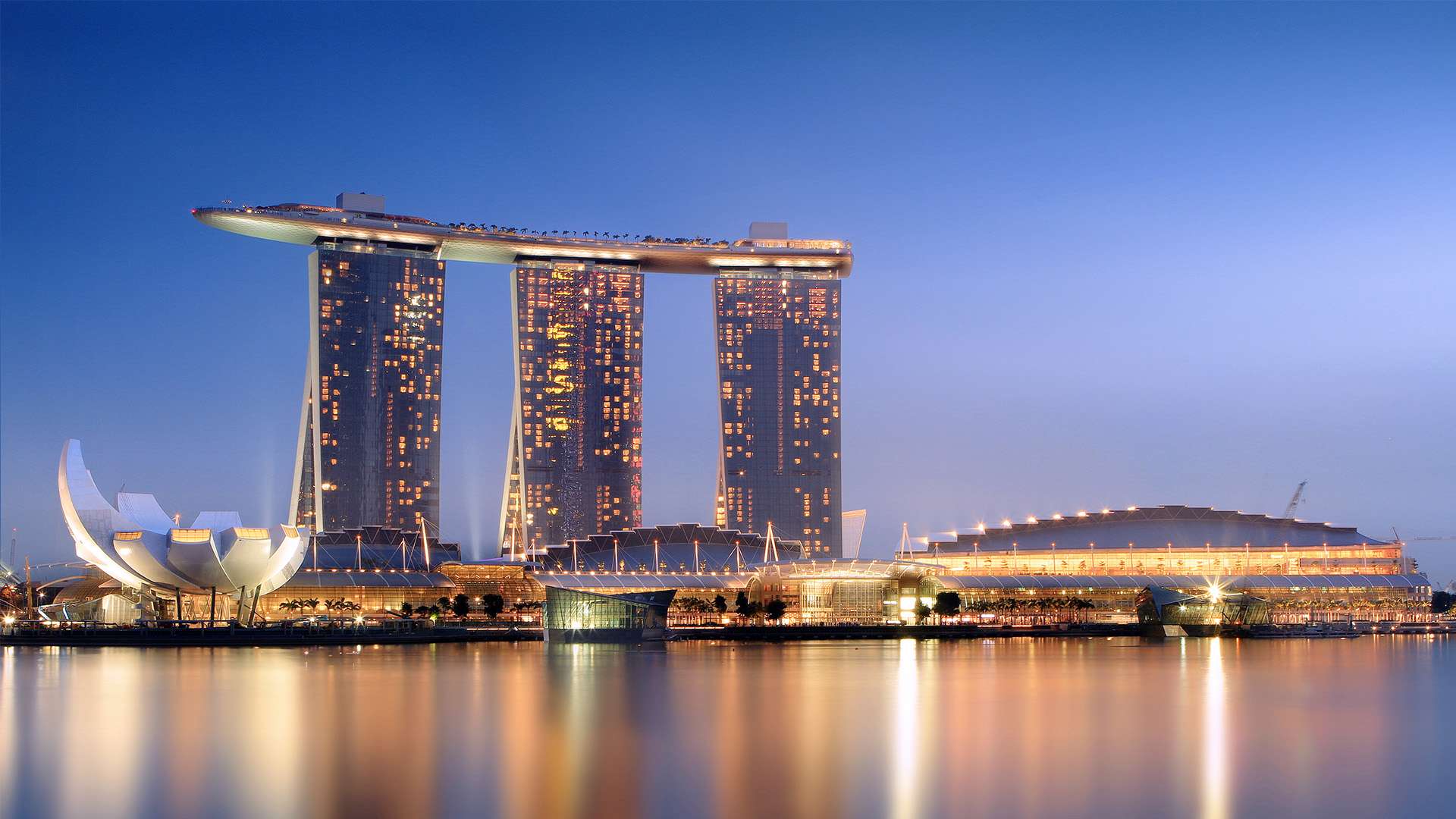
Marina Bay Sands is a world-renowned resort located in Singapore’s Marina Bay district. Designed by architect Moshe Safdie, the project was officially opened in 2010 after four years of construction. Marina Bay Sands comprises three 55-storey hotel towers connected at the top by the iconic SkyPark, which includes an infinity pool, gardens, and observation deck. The SkyPark is one of the largest public cantilevered platforms in the world, supported across the three towers.
Our original brief included a design review which included a value engineering exercise for erection simplification and programme savings. Tony Gee was then retained to review the design of the 380m long Skypark structure, which bridges the three hotels that form the core of the development, and then cantilevers 65m to the North of the end tower. Significant savings of rebar and stressing was made which assisted the contractor to maintain a very tight construction programme, completing floors typically within three days.
Tony Gee's brief also covered the conceptual design of the event area; a public open space with variable-height staging. The structural, mechanical and marine engineering of this area proved another unique challenge which Tony Gee was able to assist with given our technical expertise.
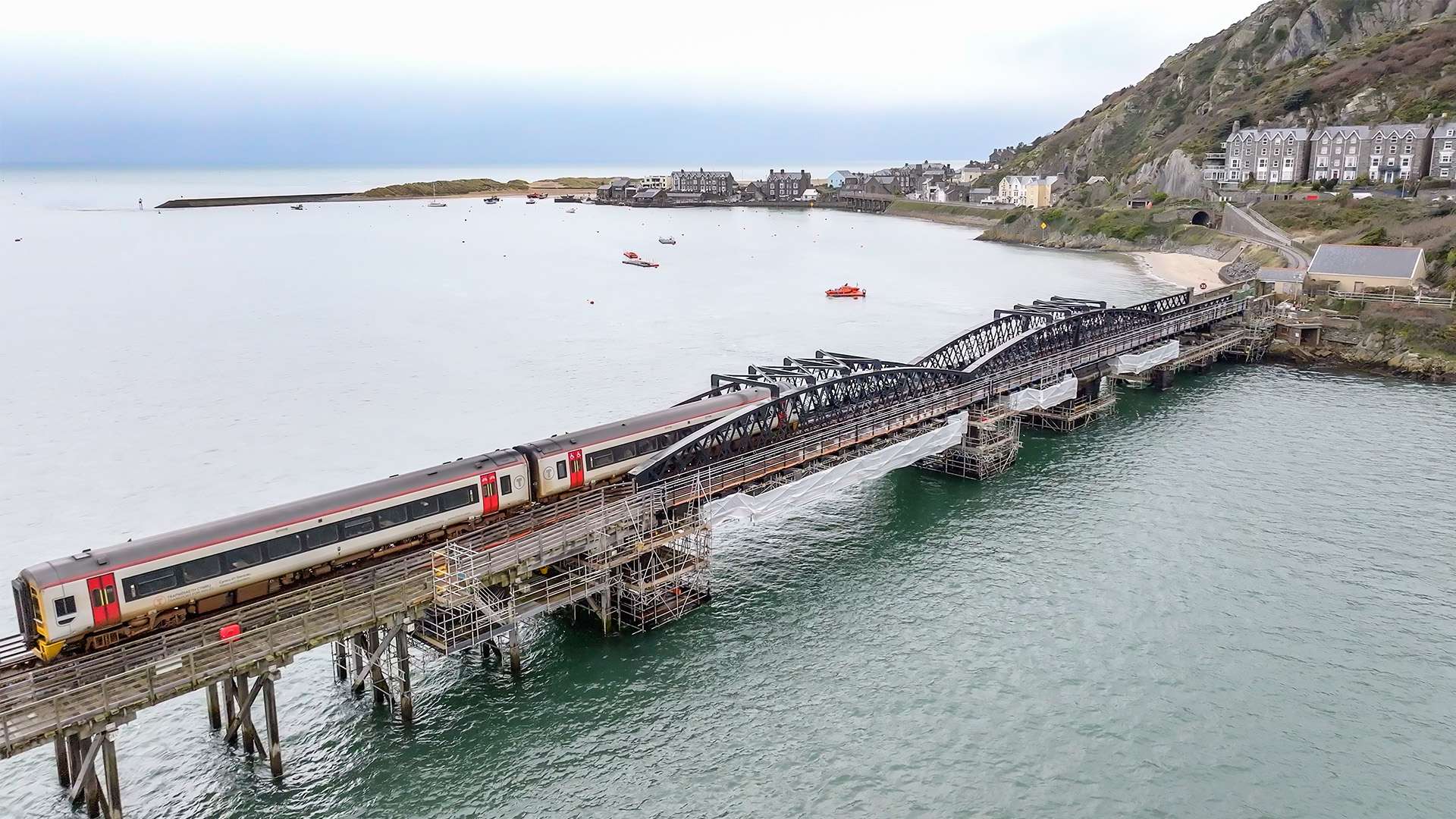
Barmouth Viaduct is a Grade II* listed single track railway and pedestrian viaduct across the Afon Mawddach estuary near Barmouth, in the county of Gwynedd, north-west Wales.
Originally constructed in 1867, the timber viaduct was modified in 1906 by the inclusion of three fixed and one swinging metallic spans. Naturally, over time these spans suffered significant corrosion and, following inspection in 2020, were considered life expired and Network Rail needed a solution to repair the bridge with as little disruption to the local community as possible.
Tony Gee, working for Alun Griffiths, developed an innovative bespoke method for the design and construction of the replacement structures. A cornerstone of the approach was to prefabricate as much of the structure as possible away from the estuary, reducing significant construction risk. Another key aspect was the development of a pioneering temporary installation truss and sequencing that utilised support mechanisms from existing and newly installed structure.
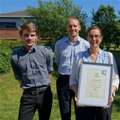
The project was delivered on time, with a formal opening on 8 December, attended by Network Rail, Wales Office minister Fay Jones, and representatives of the community, rail industry, and local council. Barmouth Viaduct restoration received extensive praise from local groups in Barmouth.
This scheme won multiple awards including:
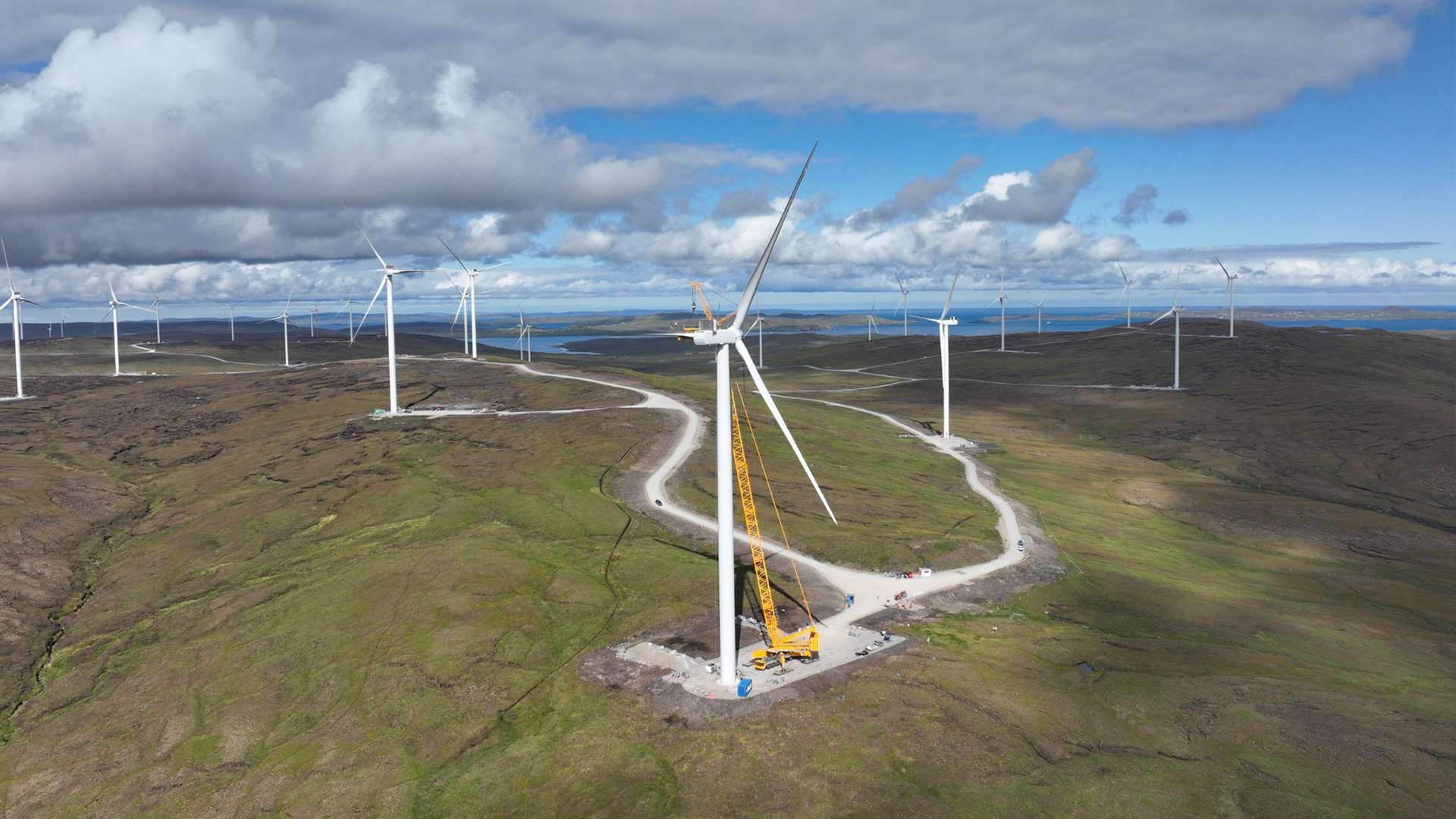
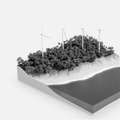
Viking Wind Farm is a large on-shore wind farm in the Shetland Islands which was developed by Viking Energy, a partnership between Shetland Islands Council and SSE plc. This 443MW project covers an area of 130km² with the construction of 103 turbines; the third largest onshore wind farm in the UK.
Tony Gee was engaged by SSE Renewables in 2015 to complete a construction review and modelling of the access tracks and hardstanding layout for planning.
As part of the project, we designed a 2.2 km public highway diversion for the B9075 Sandwater Road and designed junctions for access off the public road network at four locations throughout the site.
The route of the realigned Sandwater Road traverses an area of significant peat deposits which required us to design an innovative solution for the embankments to ‘float’ across the peat mass – therefore avoiding substantial peat excavation and significantly reducing the carbon footprint of the works.
Tony Gee was able to provide digital data on the project including; site topography, environmental constraints, site GI, access tracks, hardstandings, bridges and drainage which were combined on a site wide photo real 3D INFRAWORKS model and hosted on BIM 360 as a Common Data Environment.
In 2019 we were also commissioned to design the WTG foundations and provide site wide technical assurance services for the earthworks across the site and the construction of WTG foundations. Through the use of parametric design techniques we reduced the concrete volume required for the foundations by over 30% compared to traditional design techniques.
Construction for the project started in September 2020 and the Viking Wind Farm and its HVDC connection were completed in August 2024. Now completed, the wind farm can generate enough renewable energy to power around 500,000 homes.
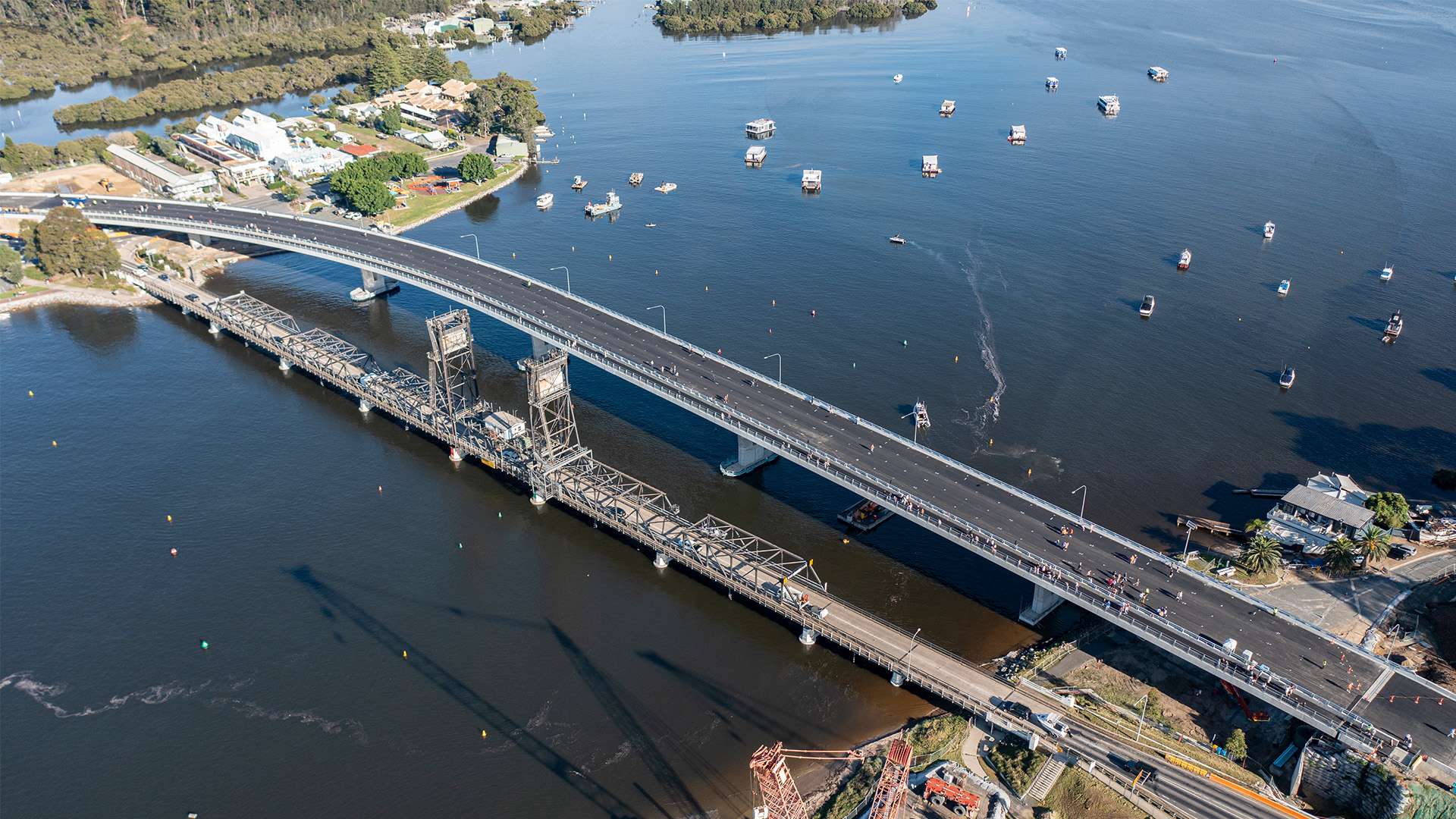
The New South Wales Government commissioned a much-needed new bridge over the Clyde River in Batemans Bay, Australia in 2020. The government wanted the new bridge to bring improved connectivity in and around Batemans Bay for emergency services, motorists, freight, pedestrians and cyclists.
Tony Gee was appointed as Bridge Designer by John Holland Construction for the design and build of the bridge connecting the Princes Highway over the Clyde River at Batemans Bay. Responsible for design of piling & substructure, superstructure and the finishing, Tony Gee liaised with the supply chain to ensure proposals were suitable, effective and favourable to all stakeholders.
The bridge structure is made up of precast segmental concrete box girder with a typical span of 78m, supported on reinforcement concrete piers and steel tube pile foundations. The depth of segment varies from 4.2m to 2.75m and was constructed by balanced cantilever method.
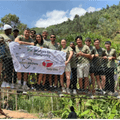
The project was successfully completed in 2021, ahead of schedule. Before the bridge was opened to traffic, a community event was held where around 3,000 locals walked across the new bridge to mark the occasion.